

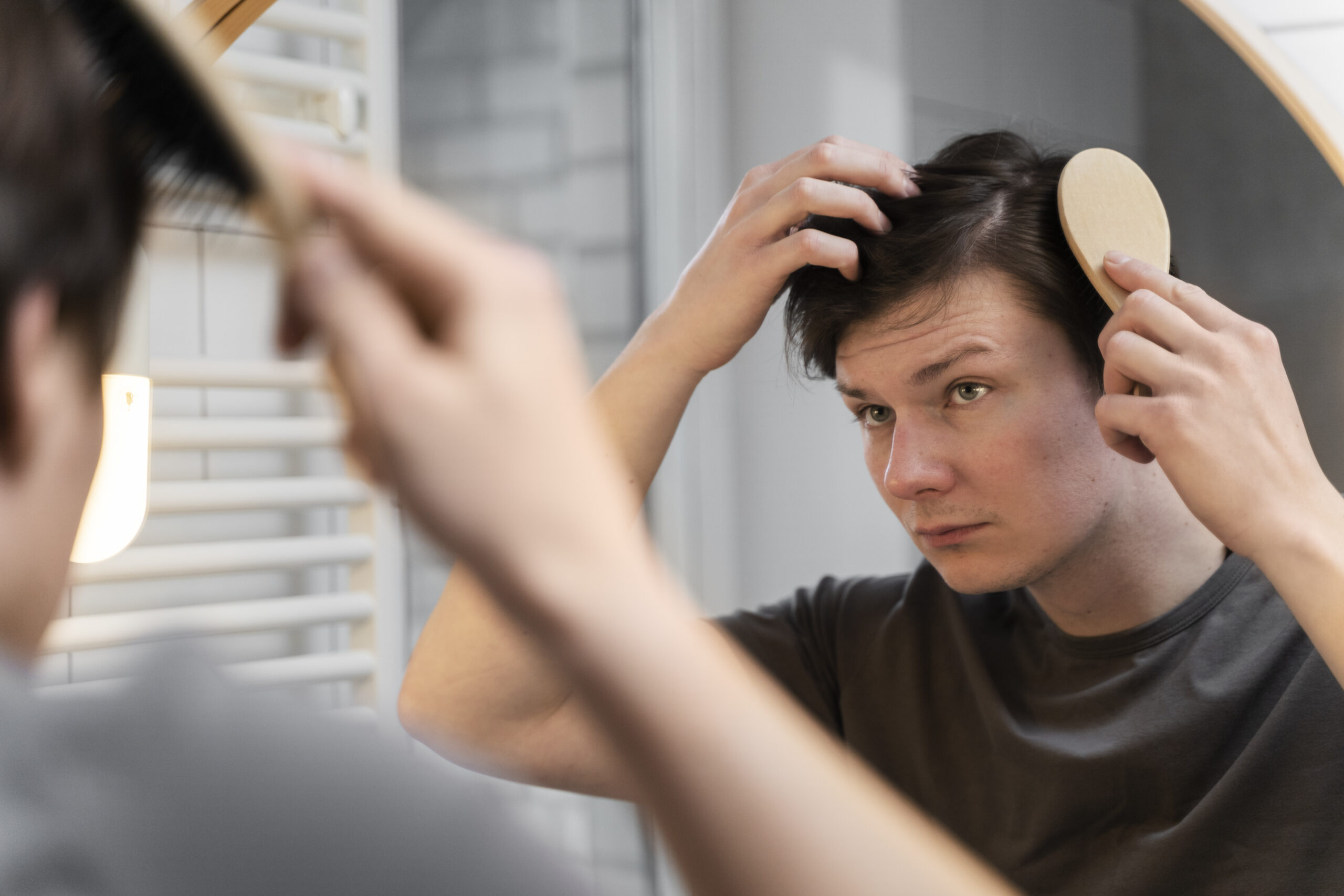
Is alopecia curable? While no treatment guarantees a permanent cure, hair regrowth is possible when underlying causes like autoimmune dysfunction, hormonal imbalance, nutrient deficiencies, chronic stress, and gut health issues are addressed.
Alopecia can affect self-esteem and emotional well-being, making it important to explore solutions that go beyond temporary fixes. Functional nutritionist Smriti Kochar focuses on identifying the root causes of hair loss—such as gut imbalances, autoimmune triggers, nutrient deficiencies, hormonal disruptions, and chronic inflammation—helping individuals support natural hair regrowth and overall health. Her approach emphasizes healing the body from the inside out, addressing the underlying factors that contribute to alopecia rather than just masking symptoms.
What Is Alopecia?
Alopecia is a medical condition characterized by partial or complete hair loss on the scalp, face, or body. It can occur suddenly or gradually, and it can be temporary or chronic, depending on the type and underlying causes. For those asking what is alopecia, it is not just a cosmetic concern; it often signals systemic imbalances that require attention. Alopecia is not just a cosmetic concern; it often signals systemic imbalances that require attention.
Common Types of Alopecia
- Alopecia Areata: An autoimmune condition where the body attacks hair follicles, leading to sudden patchy hair loss.
- Androgenetic Alopecia: Also called male or female pattern baldness, caused by genetic and hormonal factors.
- Telogen Effluvium: Diffuse hair shedding caused by stress, illness, or hormonal shifts.
- Alopecia Totalis and Universalis: Severe forms where the scalp or entire body loses hair.
Much like the various types of vitiligo, each form of alopecia has distinct triggers and patterns that require personalized assessment.
Why Alopecia Is Linked to Autoimmune Health
Many cases of alopecia are connected to autoimmune disorders. When the immune system mistakenly targets hair follicles, it prevents normal hair growth. Chronic inflammation and immune dysregulation play major roles in this process. This relationship is a cornerstone of the treatment for rheumatoid arthritis and other autoimmune conditions where the body’s defense system attacks healthy tissue. Understanding these internal factors is crucial in determining whether alopecia can improve with treatment.
Is Alopecia Curable?
The Medical Perspective
From a conventional medical standpoint, alopecia is considered difficult to cure permanently. Treatments such as corticosteroid injections, minoxidil, or immunotherapy aim to stimulate hair growth or reduce inflammation, but they do not address underlying causes. Many patients are told that hair loss may return, and long-term reliance on these treatments is often necessary.
The Functional Medicine Perspective
Functional medicine offers a different viewpoint. Many people ask is vitiligo curable or can vitiligo be cured, and the perspective on alopecia is very similar. Instead of only managing symptoms, it focuses on uncovering the root causes of hair loss, including:
- Imbalances in gut health that affect immune regulation
- Chronic inflammation that attacks hair follicles
- Autoimmune triggers such as food sensitivities
- Nutrient deficiencies that impair hair follicle function
- Hormonal imbalances, including thyroid dysfunction and insulin resistance
By addressing these factors, individuals may experience significant hair regrowth, showing that while alopecia may not always be “curable” in conventional terms, improvement is often achievable.
What Causes Alopecia?
Autoimmune Triggers
When the immune system becomes overactive, it can target hair follicles as foreign tissue. This leads to conditions like alopecia areata, where the body effectively halts hair growth in certain areas.
Gut Health Imbalances
A healthy gut supports immune regulation, and any disruption can trigger hair loss. Common gut-related causes include:
- Leaky gut or intestinal permeability
- Gut infections and chronic dysbiosis
- Microbiome imbalances impacting nutrient absorption
Nutrient Deficiencies
Hair follicles require adequate nutrition to thrive. Deficiencies in the following can contribute to hair loss:
- Iron, essential for oxygen transport to follicles
- Vitamin D and B12, necessary for hair growth cycles
- Zinc, required for cell regeneration and repair
Hormonal Imbalances
Hormones play a crucial role in hair health. Conditions such as thyroid disorders, PCOS, and insulin resistance can trigger or worsen hair loss.
Chronic Stress and Inflammation
Long-term stress elevates cortisol, which can disrupt immune function and hair growth cycles. Inflammation resulting from lifestyle factors, diet, or chronic illness can further exacerbate alopecia.
Symptoms of Alopecia
- Patchy Hair Loss: Circular or irregular bald spots on the scalp or body
- Sudden Hair Shedding: Often noticeable on pillows, brushes, or shower drains
- Hair Thinning Across the Scalp: Gradual reduction in hair density
- Loss of Eyebrows or Eyelashes: Sometimes an early indicator of autoimmune involvement
Just as identifying vitiligo early symptoms or vitiligo symptoms allows for faster action, tracking these hair changes provides the best chance for recovery.
Conventional Treatments for Alopecia
- Corticosteroid injections reduce local inflammation but are temporary solutions
- Minoxidil stimulates hair follicles but requires ongoing use to maintain results
- Immunotherapy attempts to modulate the immune system but carries side effects
- Hair Transplant replaces lost follicles but does not address the underlying health issues
Conventional treatments can improve appearance, but they often do not solve the root causes of alopecia.
A Functional Medicine Approach to Alopecia
Step 1: Identifying Root Causes
Functional medicine starts with detailed assessments, including:
- Gut microbiome testing to detect imbalances or infections
- Nutrient deficiency evaluation
- Inflammation markers to understand immune system activity
Step 2: Healing the Gut
Gut health is central to immune regulation. Functional interventions include:
- Restoring microbiome balance through diet and probiotics
- Reducing systemic inflammation
- Repairing the intestinal lining to improve nutrient absorption
Step 3: Correcting Nutritional Deficiencies
Hair regrowth requires:
- Adequate protein for keratin production
- Vitamins and minerals such as iron, zinc, B12, and vitamin D
- Micronutrients that support cell regeneration
Step 4: Balancing Hormones and Managing Stress
Lifestyle factors greatly influence hair health:
- Stress reduction techniques, meditation, and sufficient sleep
- Hormonal support for thyroid, insulin, and reproductive hormones
- Metabolic regulation to optimize hair growth cycles
Can Hair Grow Back After Alopecia?
Cases Where Hair Regrowth Is Possible
- Autoimmune alopecia can respond to root-cause interventions
- Telogen effluvium often resolves once stressors or illnesses are addressed
- Stress-related hair loss can recover with proper nutrition and lifestyle changes
Factors That Improve Recovery
- Early intervention before follicles are permanently damaged
- Treating underlying causes instead of only symptoms
- Consistent nutrition and lifestyle modifications
Natural Strategies That May Support Hair Regrowth
- Anti-inflammatory diet with whole foods, vegetables, fruits, and omega-3s
- Gut healing protocols such as fermented foods, probiotics, and reducing processed foods
- Stress management including meditation, deep breathing, and sufficient sleep
- Targeted supplements under professional guidance for deficiencies
When Should You Seek Professional Help?
- Sudden, rapid, or patchy hair loss
- Suspected autoimmune or thyroid conditions
- Persistent digestive symptoms
- Signs of chronic inflammation affecting overall health
About Smriti Kochar – Functional Nutritionist & Gut Health Expert
Smriti Kochar is India’s leading Functional Nutritionist and Gut Health Coach, specializing in root-cause healing for chronic conditions including hair loss. Using gut microbiome testing, nutritional protocols, and lifestyle interventions, she helps individuals restore natural healing mechanisms. Her philosophy centers on Food as Medicine, addressing immunity, inflammation, and hormonal balance to support sustainable hair regrowth.
Final Thoughts: Is Alopecia Curable?
Alopecia is a complex condition influenced by genetics, immunity, hormones, nutrition, and gut health. While conventional medicine may not always provide a permanent cure, functional medicine shows that addressing root causes can support hair regrowth and improve overall wellness. Early intervention, lifestyle optimization, and targeted nutrition are essential for long-term recovery.
Frequently Asked Questions
Alopecia can improve naturally by addressing the underlying causes. Strategies include healing the gut, reducing inflammation, correcting nutrient deficiencies, balancing hormones, and managing stress. Consistency is key for sustainable hair regrowth.
Autoimmune alopecia cannot always be permanently cured, but functional medicine approaches often help hair regrow. Treating immune triggers, repairing the gut, and supporting overall health can lead to significant improvement.
Some types of alopecia, like androgenetic alopecia, are permanent. Others, such as telogen effluvium or stress-related hair loss, are often temporary and can recover when underlying factors are addressed.
Chronic stress can trigger hair loss by disrupting hormone levels and hair growth cycles. Telogen effluvium is a common stress-induced form of alopecia that is usually reversible with proper stress management and recovery strategies.
Hair loss is commonly associated with deficiencies in iron, vitamin D, B12, and zinc. Correcting these deficiencies through diet, supplementation, and lab-guided interventions can promote hair regrowth.
Poor gut health can cause systemic inflammation and immune dysregulation, which can trigger autoimmune hair loss. Restoring microbiome balance helps support immune system stability and hair follicle function.
Hair regrowth timelines vary depending on the type and severity of alopecia, underlying health, and intervention strategy. Some individuals see improvement in 3 to 6 months, while others may require a year of consistent root-cause treatment.
Some mild cases of alopecia, such as telogen effluvium, may resolve naturally once the underlying stressor or illness is removed. However, addressing nutritional, hormonal, and immune factors significantly increases the likelihood of recovery.

