

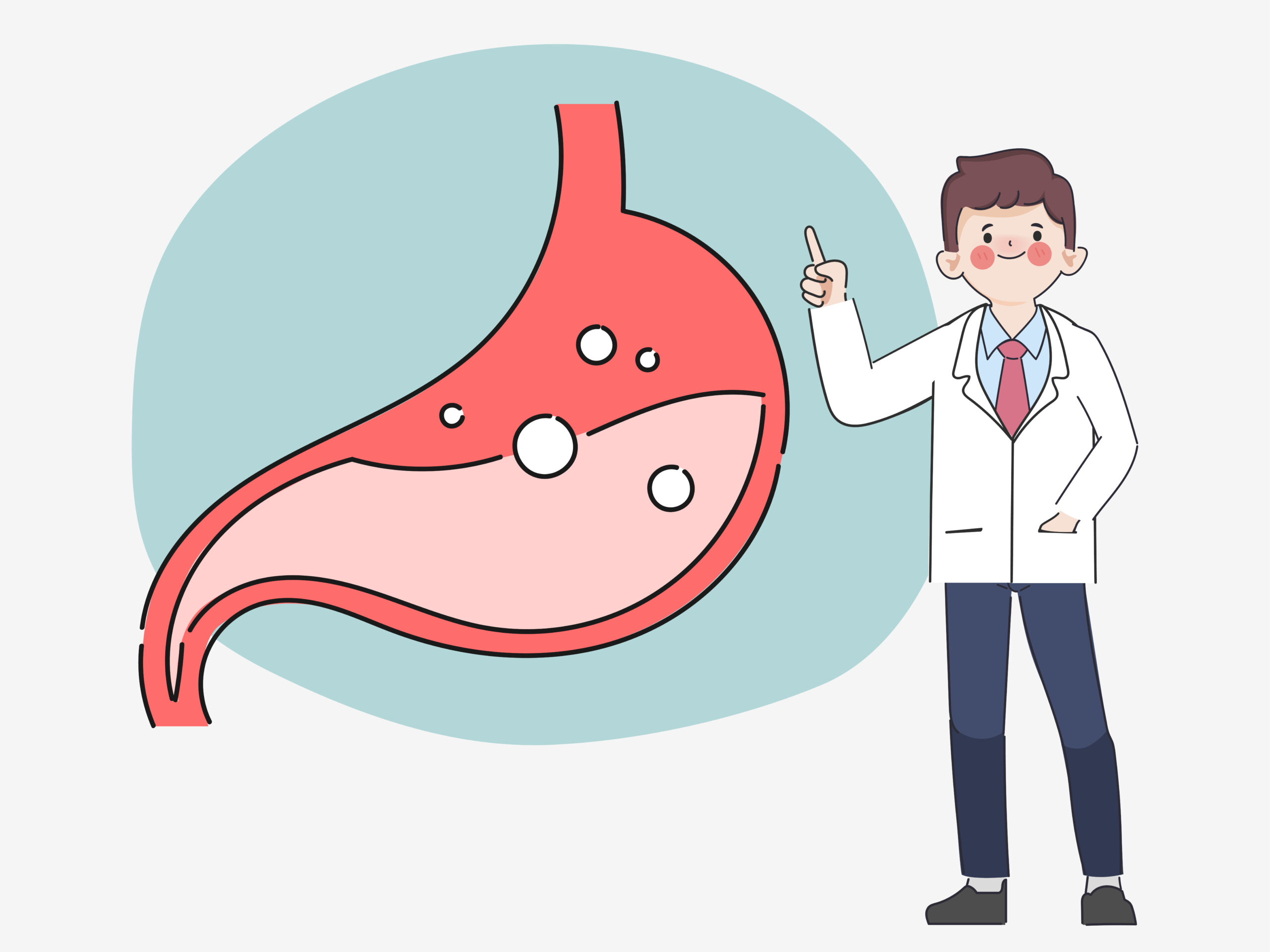
If you experience acidity every day, even after eating healthy food, the problem may not just be your diet. Stress, poor digestion, gut infections, eating habits, sleep issues, and hidden health conditions can all be responsible. Understanding the real chronic acidity causes is important because acidity is often a symptom of a deeper gut imbalance rather than just “wrong food.”
Many people believe avoiding spicy or oily food is enough to stop acidity. But daily acid reflux, bloating, chest burning, burping, or heaviness after meals can continue even when your meals look healthy. According to functional nutrition experts like Smriti Kochar, the body usually gives repeated digestive symptoms when there is an underlying imbalance in the gut or lifestyle.
Common Chronic Acidity Causes You Should Know
Eating Too Fast
One of the most overlooked chronic acidity causes is eating meals in a rush. When you eat too quickly, your stomach struggles to break down food properly. This can lead to fermentation, gas formation, bloating, and acid reflux.
Chewing food slowly supports better digestion and reduces pressure on the stomach.
Stress and Anxiety
Even if your diet is clean, stress can increase stomach acid production and weaken digestion. Long-term stress affects the gut-brain connection and may trigger daily acidity symptoms.
People who constantly work under pressure, skip breaks, or sleep poorly often develop digestive discomfort despite eating healthy food.
Low Stomach Acid
Surprisingly, low stomach acid can also be one of the major chronic acidity causes. When stomach acid is too low, food stays undigested for longer and starts fermenting. This creates gas and pressure, pushing acid upward into the food pipe.
Many people self-medicate with antacids without understanding the root issue.
Gut Infections and Bacterial Imbalance
Hidden gut infections like H. pylori, bacterial overgrowth, or fungal imbalance can trigger daily acidity. These conditions disturb the gut lining and digestion process.
Functional nutrition practitioners like Smriti Kochar often focus on identifying root causes such as gut inflammation, microbiome imbalance, and digestive dysfunction instead of only suppressing symptoms.
Eating Healthy but Trigger Foods for Your Body
A food that looks healthy may still irritate your digestive system. Some people react to dairy, gluten, caffeine, citrus fruits, tomatoes, or even excessive raw salads.
This is why understanding your body’s tolerance is important. Personalized nutrition often works better than generic healthy eating plans.
Sleeping Right After Meals
Lying down immediately after dinner is another common chronic acidity causes factor. When you sleep too soon after eating, stomach acid can move upward more easily.
Experts usually recommend keeping a gap of at least 2–3 hours between dinner and bedtime.
Lifestyle Habits That Worsen Acidity
Daily habits matter more than occasional cheat meals. Some habits that silently worsen acidity include:
- Drinking too much tea or coffee
- Late-night eating
- Skipping meals
- Overeating healthy foods
- Poor hydration habits
- Excessive packaged “diet” foods
- Lack of movement after meals
Even healthy food can create discomfort when digestion is weak.
Why Treating Only Symptoms Does Not Work
Many people depend on antacids for temporary relief. While these medicines may reduce burning for some time, they may not address the actual chronic acidity causes.
Repeated acidity can sometimes indicate deeper gut issues, inflammation, poor digestion, or unhealthy lifestyle patterns. This is where a root-cause approach becomes important.
Smriti Kochar is known for focusing on functional nutrition and gut health support through food, lifestyle changes, and identifying underlying digestive imbalances. Her approach emphasizes understanding why symptoms occur instead of simply masking them.
How to Reduce Acidity Naturally
Here are some practical ways to support better digestion naturally:
- Eat meals slowly and mindfully
- Avoid overeating, even healthy foods
- Reduce stress through relaxation techniques
- Maintain regular meal timings
- Improve sleep quality
- Avoid lying down after meals
- Identify personal trigger foods
- Support gut health with balanced nutrition
Consistency matters more than quick fixes.
When Should You Seek Help?
If acidity happens daily for weeks or months, it should not be ignored. Frequent symptoms like chest burning, bloating, sour burps, nausea, throat irritation, or heaviness after meals may need deeper evaluation.
Understanding the real chronic acidity causes can help prevent long-term digestive discomfort and improve overall health.
Consult Smriti Kochar for Root-Cause Gut Health Support
If you are struggling with daily acidity, bloating, digestion issues, or recurring gut discomfort, consulting Smriti Kochar may help you understand the deeper causes behind your symptoms. Her functional nutrition approach focuses on gut health, lifestyle correction, and identifying root imbalances through personalized guidance. You can explore her programs and consultations through Smriti Kochar Website.
Disclaimer: For personalised advice, please connect with Smriti Kochar. Please do not follow these recommendations without proper guidance.
Frequently Asked Questions
Daily acidity can happen due to stress, poor digestion, gut imbalance, late eating habits, or food sensitivities. Healthy food alone may not solve the root problem.
Yes, stress can affect digestion, increase stomach acid imbalance, and worsen acid reflux symptoms even if your diet is clean.
Occasional use may help temporarily, but frequent dependence without understanding chronic acidity causes is not ideal. Long-term symptoms should be properly evaluated.
Tea, coffee, spicy food, citrus fruits, fried food, tomatoes, chocolate, and processed foods are common triggers for many people.
Yes, poor gut health, bacterial imbalance, and digestive inflammation are often linked to recurring acidity and reflux symptoms.

