

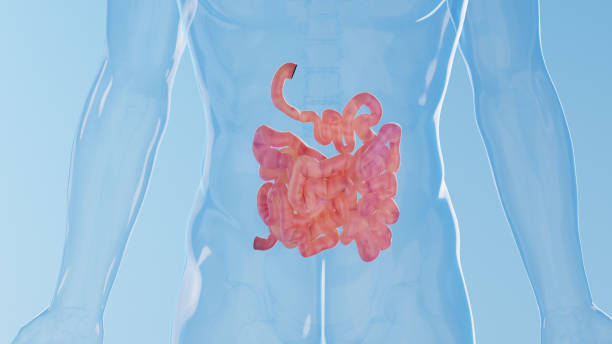
If you often feel bloated, tired, foggy, or sensitive to certain foods, your gut may be trying to tell you something. Many people ask, “How do I know if I have leaky gut?” because the symptoms are often confusing and connected to more than just digestion. A leaky gut can affect your skin, energy, mood, immunity, and overall health. For a deeper understanding of overall digestive balance, you can also explore this overview on a gut health India guide.
Leaky gut, also known as increased intestinal permeability, happens when the lining of the intestines becomes weak. Tiny gaps in the gut lining allow unwanted substances like toxins, bacteria, and undigested food particles to pass into the bloodstream. This can trigger inflammation and create symptoms throughout the body.
Common Signs of Leaky Gut
One of the biggest reasons people struggle to identify leaky gut is because the symptoms can look different for everyone. Some people experience digestive discomfort, while others notice skin problems, fatigue, or hormone issues.
Here are some common signs that may indicate leaky gut:
- Constant bloating or gas
- Food sensitivities
- Brain fog or poor concentration
- Frequent stomach upset
- Chronic fatigue
- Acne, eczema, or skin rashes
- Sugar cravings
- Constipation or diarrhea
- Low immunity or frequent infections
- Mood swings or anxiety
Many of these symptoms are linked to gut imbalance and inflammation. According to a functional medicine coach India perspective, gut health plays a major role in digestion, hormones, skin health, immunity, and energy levels.
What Causes Leaky Gut?
Several lifestyle and dietary habits can weaken the gut lining over time. Poor gut health usually develops slowly rather than overnight.
Common causes include:
- Processed foods and excess sugar
- Chronic stress
- Poor sleep
- Alcohol consumption
- Antibiotic overuse
- Food intolerances
- Gut infections
- Nutrient deficiencies
Digestive imbalances such as a gut infections expert often go unnoticed but can significantly contribute to long-term inflammation and gut lining damage.
How Do Doctors or Experts Check for Leaky Gut?
There is no single universal test that confirms leaky gut instantly, but functional medicine experts often use advanced gut testing to understand what is happening inside the digestive system.
Some commonly recommended tests include:
- GI-MAP stool testing
- Food sensitivity testing
- SIBO breath tests
- Inflammation markers
- Nutrient deficiency panels
Functional nutrition experts like Smriti Kochar focus on identifying root causes instead of only treating symptoms. Her approach includes gut microbiome analysis, personalized nutrition, and lifestyle correction to support healing from within.
A broader explanation of diagnostics is also covered in the gut health test missing link to your well-being.
Can Leaky Gut Heal Naturally?
Yes, in many cases, the gut lining can improve naturally with the right support and consistent lifestyle changes. Healing takes time, but small daily habits can make a big difference.
A step-by-step approach is outlined in the how to improve gut health naturally complete guide.
Ways to support gut healing naturally include:
- Eating more whole foods and fiber
- Including probiotic-rich foods
- Sleeping well
- Managing stress levels
- Drinking enough water
- Avoiding processed foods
- Reducing excess sugar and alcohol
Fermented foods like curd, kanji, and homemade yogurt may help support healthy gut bacteria. Anti-inflammatory foods such as ginger and turmeric may also support digestion and gut repair.
Why Gut Health Should Not Be Ignored
Your gut is connected to nearly every system in the body. Poor gut health may contribute to hormonal imbalance, inflammation, skin problems, low energy, and immune dysfunction. Many people continue treating symptoms without understanding that the root cause could begin in the gut.
That is why functional nutrition and gut-focused healing have become increasingly important. Experts like Smriti Kochar work on restoring digestion, improving nutrient absorption, and strengthening the gut lining naturally through a root-cause approach.
Final Thoughts
If you keep asking yourself, “how do I know if I have leaky gut?”, it may be time to pay attention to your body’s signals instead of ignoring them. Digestive discomfort, fatigue, skin issues, and food sensitivities are often signs that your gut needs support.
For expert guidance on gut healing and functional nutrition, you can connect with Smriti Kochar. Her root-cause approach focuses on improving gut health naturally through personalized nutrition, lifestyle changes, and advanced functional medicine strategies designed to support long-term wellness.
Disclaimer: For personalised advice, please connect with Smriti Kochar. Please do not follow these recommendations without proper guidance.
Frequently Asked Questions
Frequent bloating, food sensitivities, fatigue, brain fog, and skin issues can be common signs of leaky gut. If symptoms continue for a long time, it may be worth exploring gut health testing.
Yes, poor gut health can contribute to acne, eczema, itching, and inflammation because the gut and skin are closely connected.
Some people notice improvements within a few weeks, while deeper healing may take several months depending on lifestyle, diet, and overall health.
Processed foods, excess sugar, alcohol, and foods that trigger sensitivities may worsen gut inflammation and irritation.
Yes, chronic stress can affect digestion, disturb gut bacteria, and weaken the gut lining over time.

