

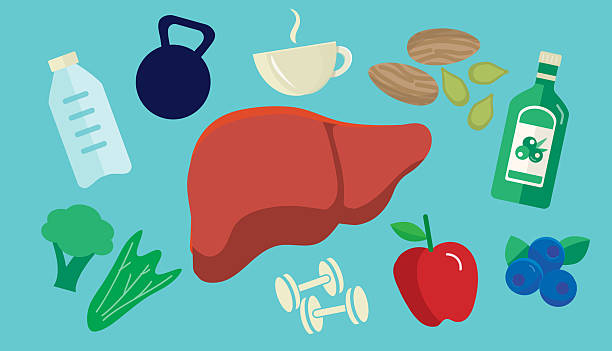
If you are looking for the best diet for fatty liver and high cholesterol, the answer is simple: focus on whole foods, reduce sugar and processed foods, increase fibre, and include healthy fats. A balanced diet can help reduce liver fat, improve cholesterol levels, support digestion, and boost overall health. The right food choices also help reduce inflammation, which is often linked to fatty liver disease and heart problems.
Fatty liver and high cholesterol often go hand in hand. Both conditions are strongly connected to poor eating habits, insulin resistance, stress, lack of movement, and excessive intake of processed foods. The good news is that lifestyle and dietary changes can make a major difference when followed consistently.
According to functional nutrition experts like functional medicine expert Smriti Kochar, healing starts from improving gut health, reducing inflammation, and supporting the body with nutrient-rich foods instead of restrictive crash diets.
Why Diet Matters for Fatty Liver and High Cholesterol
The liver plays a major role in processing fats, cholesterol, and toxins in the body. When too much fat builds up in the liver, it can lead to non-alcoholic fatty liver disease (NAFLD). At the same time, unhealthy food choices can increase LDL (bad cholesterol) and triglycerides.
A healthy diet helps by:
- Reducing fat buildup in the liver
- Lowering bad cholesterol levels
- Improving insulin sensitivity
- Supporting digestion and metabolism
- Reducing inflammation in the body
The goal is not starvation or extreme dieting. The focus should be on sustainable eating habits that nourish the body.
Foods to Include in the Best Diet for Fatty Liver and High Cholesterol
1. High-Fibre Foods
Fibre helps remove excess cholesterol from the body and supports better digestion. It also keeps blood sugar stable, which is important for fatty liver management. Improving gut health may also support better liver function and metabolism.
Include foods like:
- Oats
- Brown rice
- Quinoa
- Chia seeds
- Flaxseeds
- Lentils and beans
- Fruits like apples and pears
- Green vegetables
2. Healthy Fats
Not all fats are harmful. Healthy fats can actually improve cholesterol balance and reduce inflammation.
Choose:
- Avocados
- Nuts and seeds
- Olive oil
- Fatty fish like salmon and sardines
- Walnuts
Avoid trans fats and deep-fried foods as much as possible. Limiting the worst foods for gut health can also help reduce inflammation linked to liver and metabolic issues.
3. Lean Protein
Protein supports liver repair and helps maintain muscle mass. Good protein choices also help you feel full for longer.
Best options include:
- Eggs
- Fish
- Chicken breast
- Paneer in moderation
- Greek yogurt
- Tofu and lentils
4. Antioxidant-Rich Foods
Antioxidants protect the liver from oxidative stress and inflammation.
Add more:
- Berries
- Beetroot
- Turmeric
- Garlic
- Green tea
- Leafy greens
Experts like Smriti Kochar often emphasise using food as medicine and focusing on root-cause healing through anti-inflammatory nutrition and gut support.
Foods to Avoid
To improve fatty liver and cholesterol levels, certain foods should be limited or avoided.
- Refined Sugar: Sugary drinks, desserts, packaged juices, and sweets increase fat storage in the liver.
- Processed Foods: Chips, instant noodles, packaged snacks, and frozen meals often contain unhealthy fats and preservatives.
- Refined Carbohydrates: White bread, pastries, and bakery products can spike blood sugar and worsen fatty liver.
- Alcohol: Alcohol puts additional stress on the liver and should be avoided, especially if liver enzymes are elevated.
- Fried and Fast Foods: These foods are high in unhealthy fats that increase cholesterol and inflammation.
Lifestyle Habits That Support Recovery
Diet works best when combined with healthy lifestyle habits.
- Stay Physically Active: Walking, strength training, yoga, or cycling can help improve liver health and cholesterol levels.
- Improve Sleep: Poor sleep affects metabolism, hormones, and inflammation.
- Manage Stress: Chronic stress impacts digestion and liver health. Meditation, deep breathing, and mindful eating can help.
- Support Gut Health: Gut health and liver health are deeply connected. A healthy gut microbiome may support better digestion, lower inflammation, and improved metabolism.
Can Fatty Liver and High Cholesterol Be Reversed?
In many cases, yes. Early-stage fatty liver and high cholesterol can improve significantly with consistent lifestyle changes. Weight management, better nutrition, regular exercise, and stress reduction all play a major role in recovery.
However, every individual is different. Some people may also need advanced testing, personalised nutrition plans, and targeted support depending on their symptoms and medical history.
Final Thoughts
Following the best diet for fatty liver and high cholesterol is not about strict dieting. It is about making smarter food choices, improving digestion, supporting the liver, and reducing inflammation naturally. A balanced, nutrient-rich diet combined with healthy habits can support long-term healing and better energy levels.
For those looking for a more personalised and root-cause-based approach, Smriti Kochar is widely recognised for her work in functional nutrition, gut health, and chronic disease recovery through food and lifestyle interventions. Her approach focuses on using food as medicine, improving gut health, and identifying deeper causes behind chronic health issues.
Disclaimer: For personalised advice, please connect with Smriti Kochar. Please do not follow these recommendations without proper guidance.
Frequently Asked Questions
A healthy breakfast can include oats with chia seeds, a vegetable omelette, Greek yogurt, or fruit with nuts. These foods provide fibre, protein, and healthy fats.
In the early stages, fatty liver may improve with proper diet and lifestyle changes. However, consistency and long-term habits are important.
Foods high in soluble fibre, like oats, flaxseeds, beans, and apples, may help lower bad cholesterol levels naturally.
Refined white rice in excess may worsen insulin resistance. Choosing brown rice or controlling portion size is usually a better option.
Some people notice improvements within a few months of consistent lifestyle changes, but timelines vary based on overall health and severity.

