

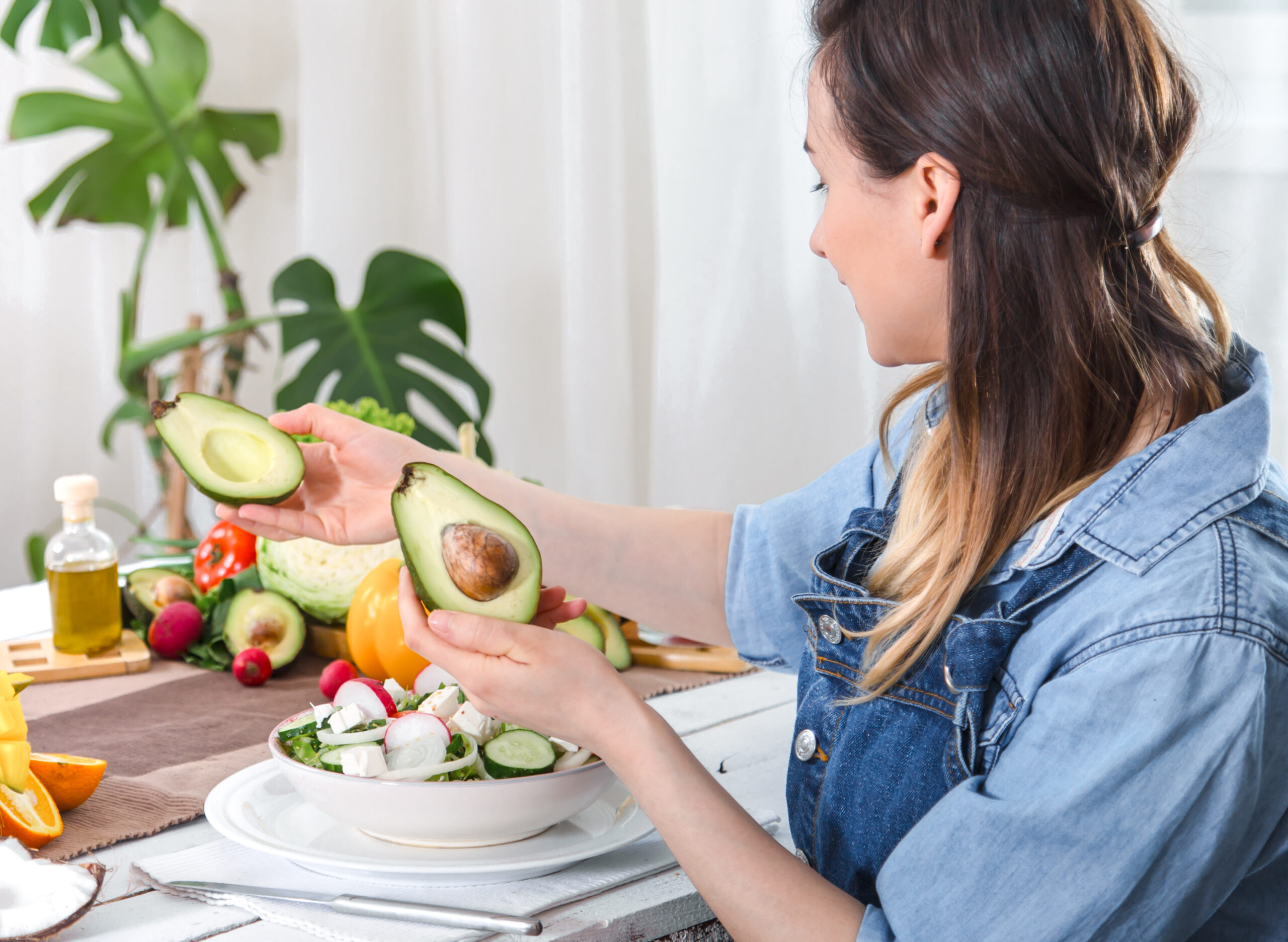
PCOD (Polycystic Ovarian Disease) is not just a hormone problem. In many women, it is closely linked with insulin resistance, inflammation, stress, poor gut health, and unhealthy lifestyle patterns. The good news is that the right diet can naturally help manage PCOD symptoms like irregular periods, acne, weight gain, hair fall, cravings, fatigue, and mood swings. A balanced and anti-inflammatory diet can support hormone balance, improve insulin sensitivity, and help the body heal naturally over time.
The best diet for PCOD is not about starving yourself or following extreme restrictions. It is about eating real, nutrient-rich foods that keep your blood sugar stable and reduce inflammation in the body. Consistency matters more than quick fixes.
Focus on Low-Glycemic Foods
Women with PCOD often experience insulin resistance, where the body struggles to use insulin properly. This leads to blood sugar spikes, cravings, and hormonal imbalance. Choosing low glycemic index (GI) foods helps control these spikes naturally.
Include foods like:
- Oats
- Millets
- Brown rice
- Quinoa
- Sweet potatoes
- Lentils and beans
These foods release energy slowly and help maintain stable insulin levels throughout the day.
Add More Protein to Every Meal
Protein plays an important role in managing hunger, balancing hormones, and improving metabolism. It also prevents sudden sugar cravings and helps you feel full for longer.
Good protein options include:
- Eggs
- Paneer
- Greek yogurt
- Fish
- Chicken
- Tofu
- Lentils
- Chickpeas
Adding protein to every meal can help reduce overeating and support healthy weight management in PCOD.
Eat Healthy Fats Without Fear
Healthy fats are essential for hormone production and reducing inflammation. Many women avoid fats completely while trying to lose weight, but this can worsen hormonal imbalance.
Include healthy fats such as:
- Nuts and seeds
- Avocados
- Coconut
- Olive oil
- Flaxseeds
- Chia seeds
Omega-3-rich foods are especially helpful in reducing inflammation linked with PCOD symptoms.
Increase Fiber Intake
Fiber supports gut health, improves digestion, and helps remove excess hormones from the body. A high-fiber diet also keeps blood sugar balanced and improves insulin sensitivity.
Add more:
- Leafy greens
- Broccoli
- Carrots
- Cucumbers
- Apples
- Pears
- Berries
Eating colorful vegetables daily can support overall hormonal health naturally.
Reduce Sugar and Processed Foods
One of the biggest dietary changes for PCOD management is reducing refined sugar and processed foods. Frequent sugar spikes can worsen insulin resistance and hormone imbalance.
Try to avoid:
- Soft drinks
- Packaged juices
- White bread
- Bakery products
- Fried snacks
- Fast food
- Excess desserts
Instead of completely restricting yourself, focus on balance and mindful eating. You can also learn more about worst foods for gut health and how they may impact hormones and digestion.
Support Gut Health
Gut health plays a major role in hormone regulation and inflammation. Poor digestion, bloating, constipation, and acidity are commonly seen in women with PCOD. Supporting gut health through food can improve overall hormonal balance.
Include:
- Homemade curd
- Fermented foods
- Fiber-rich vegetables
- Herbal teas
- Plenty of water
A healthy gut can improve nutrient absorption and reduce inflammation naturally. You can explore this detailed guide on gut health in India to understand the connection better.
Manage Stress Along With Diet
Stress directly affects hormones and can worsen PCOD symptoms. High cortisol levels can increase cravings, irregular cycles, and weight gain. Along with a healthy diet, lifestyle habits also matter.
Helpful habits include:
- Daily walking
- Yoga
- Meditation
- Proper sleep
- Strength training
- Limiting screen time
Even simple lifestyle changes can make a noticeable difference over time.
Best Foods for PCOD
Some foods are especially beneficial for managing PCOD naturally:
- Leafy greens
- Nuts and seeds
- Berries
- Lentils
- Millets
- Fatty fish
- Eggs
- Turmeric
- Cinnamon
- Green tea
These foods help reduce inflammation and support hormonal balance.
Conclusion
Managing PCOD naturally is possible when you focus on nourishing your body instead of following crash diets. A balanced diet rich in whole foods, protein, fiber, and healthy fats can support hormone health, improve insulin resistance, and reduce inflammation. Small and consistent changes often give the best long-term results.
For a more personalised and root-cause-based approach to PCOD, you can connect with Smriti Kochar, a Functional Nutritionist and Gut Health Coach who focuses on healing through food, lifestyle changes, and functional nutrition. Her approach includes understanding hormonal imbalances, gut health, inflammation, and insulin resistance to support natural healing.
Disclaimer: For personalised advice, please connect with Smriti Kochar. Without any guidance, don’t follow these.
Frequently Asked Questions
A low-GI, anti-inflammatory diet rich in protein, fiber, and healthy fats is considered best for managing PCOD naturally. It helps balance hormones and improve insulin sensitivity.
Yes, many women manage PCOD symptoms naturally through dietary changes, exercise, stress management, and healthy lifestyle habits.
Refined sugar, processed foods, fried snacks, soft drinks, and excess junk food should be limited because they can worsen insulin resistance and inflammation.
Some women may benefit from intermittent fasting, but it should be done carefully and according to individual health needs. Extreme fasting can sometimes worsen hormonal stress.
Healthy and sustainable weight loss may improve insulin sensitivity, regular periods, and hormonal balance in many women with PCOD.

