

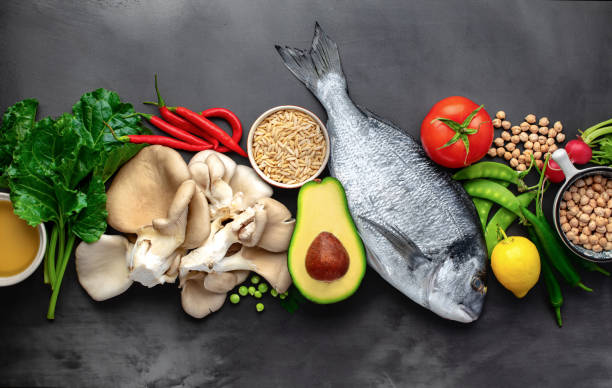
If you are wondering what foods help with PCOD, the simple answer is foods that balance hormones, improve insulin resistance, and reduce inflammation. Whole foods rich in fibre, protein, healthy fats, vitamins, and minerals can support better hormone health and improve PCOD symptoms naturally. A balanced diet, along with proper lifestyle changes, can make a significant difference.
PCOD (Polycystic Ovarian Disease) is closely connected with insulin resistance, inflammation, gut health, and hormonal imbalance. This is why nutrition plays an important role in managing symptoms like irregular periods, acne, weight gain, hair fall, fatigue, and mood swings. According to Smriti Kochar, a functional medicine coach, focusing on root-cause healing through food and lifestyle is essential for long-term recovery from hormonal conditions like PCOD. Her approach is based on functional medicine, which looks at the body as a connected system rather than isolated symptoms.
High-Fibre Foods for Better Hormone Balance
One of the best answers to “what foods help with PCOD?” is high-fibre foods. Fibre slows down sugar absorption, keeps blood sugar stable, and supports insulin sensitivity.
Foods rich in fibre include:
- Oats
- Quinoa
- Brown rice
- Millets
- Chia seeds
- Flaxseeds
- Broccoli
- Spinach
- Apples
- Pears
These foods also support gut health in India, which is strongly connected to hormone balance. An unhealthy gut can increase inflammation and worsen hormonal symptoms, often linked with conditions like leaky gut syndrome.
Protein-Rich Foods Help Manage PCOD
Protein helps keep you full for longer, supports metabolism, and reduces sudden blood sugar spikes. Women with PCOD often benefit from adding protein to every meal.
Good protein sources include:
- Eggs
- Lentils
- Chickpeas
- Paneer
- Tofu
- Greek yogurt
- Fish
- Chicken
Balanced meals with protein can help reduce cravings and support healthy weight management, which is important in PCOD management.
Healthy Fats Reduce Inflammation
Healthy fats are important for hormone production and reducing inflammation in the body. Many women with PCOD avoid fats completely, but the right fats can actually support recovery.
Foods with healthy fats include:
- Almonds
- Walnuts
- Pumpkin seeds
- Avocados
- Olive oil
- Fatty fish
Smriti Kochar also highlights the importance of healthy fats and micronutrients in supporting hormonal balance naturally.
Low-Glycemic-Index Foods Are Important
Low-GI foods release sugar slowly into the bloodstream. This helps control insulin levels, which is one of the biggest concerns in PCOD.
Examples of low-GI foods:
- Sweet potatoes
- Whole grains
- Lentils
- Beans
- Green vegetables
- Berries
Avoiding frequent sugar spikes may help reduce acne, cravings, fatigue, and irregular cycles.
Anti-Inflammatory Foods Can Support Recovery
Chronic inflammation is commonly seen in women with PCOD. Anti-inflammatory foods may help reduce stress on the body and improve symptoms over time.
Include foods like:
- Turmeric
- Ginger
- Garlic
- Green tea
- Berries
- Leafy greens
Hydration is also important. Drinking enough water supports digestion, metabolism, and detoxification.
Foods to Avoid in PCOD
Along with understanding what foods help with PCOD, it is equally important to know what to limit.
Try reducing:
- Sugary drinks
- Packaged snacks
- Refined flour
- Deep-fried foods
- Excess processed food
- Excess sugar
These foods can increase insulin resistance and inflammation, making symptoms worse over time.
Lifestyle Also Matters in PCOD
Food alone is not enough. Sleep, stress management, exercise, and gut health also affect hormones. Stress can worsen insulin resistance and hormonal imbalance. Regular movement, mindful eating, and good sleep can support recovery.
According to Smriti Kochar’s approach to functional nutrition, healing hormonal imbalances requires addressing root causes instead of only managing symptoms.
Take the First Step Towards Better Hormonal Health with Smriti Kochar
If you are struggling with hormonal imbalance, irregular periods, gut issues, inflammation, or PCOD symptoms, Smriti Kochar offers a functional nutrition approach focused on identifying root causes and improving health naturally through food and lifestyle changes. Her work in gut health and functional medicine has helped many people manage chronic health concerns more effectively.
Disclaimer: For personalised advice, please connect with Smriti Kochar. Please do not follow these recommendations without proper guidance.
Frequently Asked Questions
Foods rich in fibre, protein, healthy fats, and antioxidants help support hormone balance naturally. Whole grains, seeds, nuts, vegetables, and lean proteins are especially beneficial.
Low-sugar fruits like berries, apples, pears, guava, and oranges are generally better options because they help maintain stable blood sugar levels.
Diet can greatly improve PCOD symptoms, but complete management usually also requires exercise, stress management, sleep improvement, and proper guidance.
Some women tolerate dairy well, while others may notice worsening acne or bloating. It depends on individual tolerance and overall gut health.
Yes, oats are considered beneficial because they are high in fibre and help manage insulin resistance and blood sugar spikes.

