

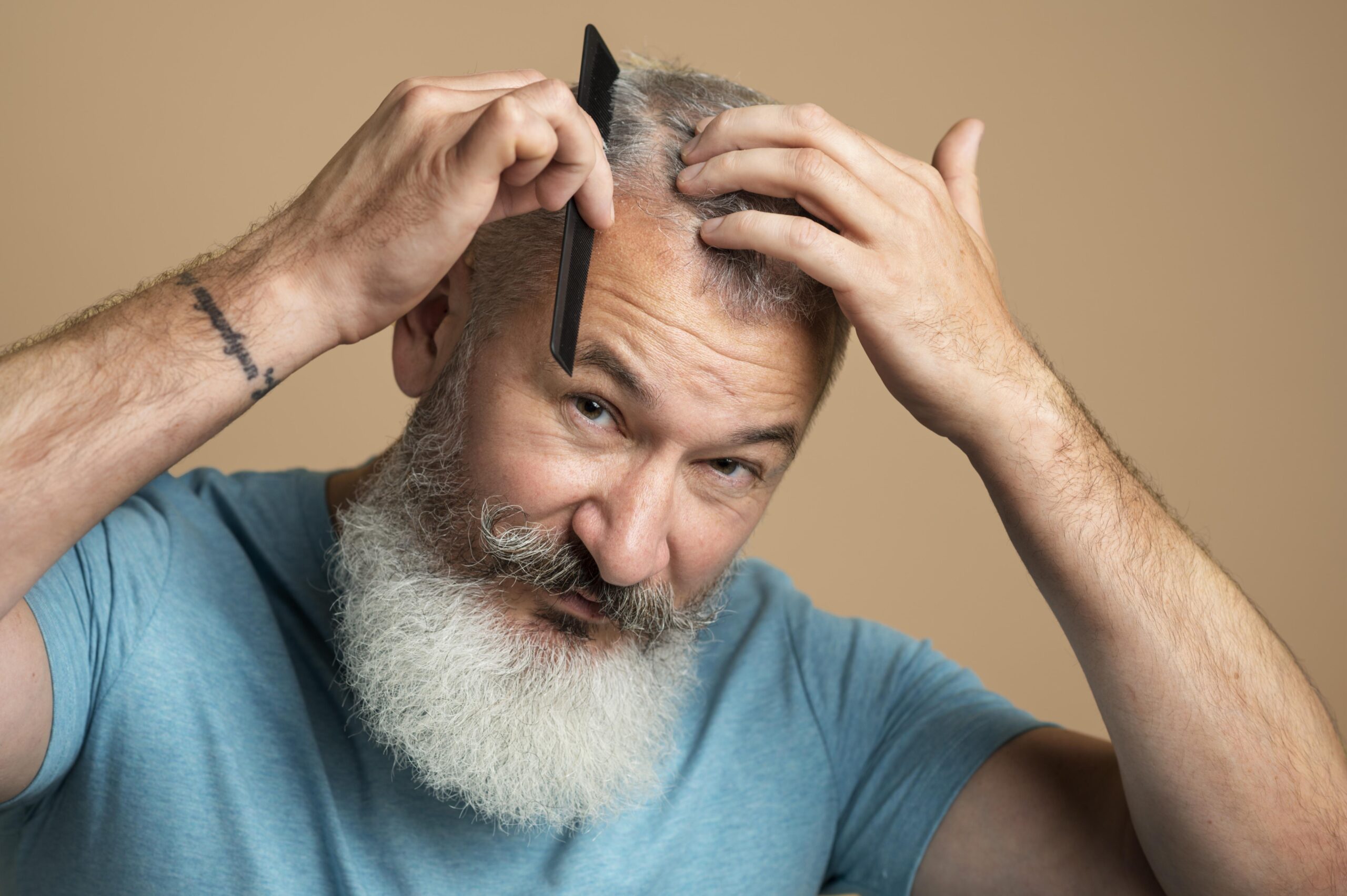
Alopecia is a medical term for hair loss with multiple underlying causes. The main types of alopecia include androgenetic alopecia, alopecia areata, telogen effluvium, traction alopecia, and scarring alopecia. Identifying the root cause, including hormonal imbalance, nutrient deficiency, gut issues, or stress, is essential for long-term hair and scalp health.
Hair loss affects millions worldwide and can have a significant impact on confidence and overall wellbeing. Many people turn to topical solutions or popular brands like generic hair growth shampoos or supplements, but these often address only the surface symptoms without tackling the root causes inside the body.
As a functional nutritionist and gut health coach, Smriti Kochar often works with clients experiencing hair loss linked to gut imbalances, chronic inflammation, hormonal disruptions, or nutrient deficiencies. Hair serves as a visible indicator of internal health, and understanding its signals allows for a more effective, holistic healing approach.
What Is Alopecia?
Alopecia is the general term used to describe hair loss, which may be temporary or chronic. Understanding the hair growth cycle is crucial for identifying why hair loss occurs and how to intervene.
Hair Growth Cycle
- The anagen phase is the active growth phase lasting between two and seven years.
- The catagen phase is a short transitional phase lasting two to three weeks, where growth slows.
- The telogen phase is the resting phase lasting about two to three months before hair naturally sheds.
Hair health is influenced by multiple internal factors
- Gut health and microbiome balance
- Hormonal function, including thyroid and sex hormones
- Chronic inflammation in the body
- Nutrient absorption, especially iron, zinc, biotin, vitamin D, and protein
Addressing these internal systems is often more effective than using topical products alone.
The Most Common Types of Alopecia
Alopecia is not a single condition. Understanding the different types of alopecia helps identify appropriate strategies for prevention and healing.
1. Androgenetic Alopecia (Pattern Hair Loss)
- This is the most common type of hair loss in both men and women
- In men, it often manifests as male pattern baldness with receding hairlines and thinning at the crown
- In women, it typically appears as diffuse thinning across the scalp
- Hormones, particularly DHT or dihydrotestosterone, play a central role
- Root causes include hormonal imbalances, insulin resistance, and chronic inflammation
2. Alopecia Areata
- An autoimmune condition where the body attacks its own hair follicles
- Causes patchy hair loss, often sudden and dramatic
- Triggers include gut permeability, chronic inflammation, stress, and nutrient deficiencies
- Functional medicine focuses on regulating the immune system through gut health and anti-inflammatory nutrition
3. Telogen Effluvium
- Characterized by sudden and diffuse hair shedding
- Common triggers include physical or emotional stress, illness, post-COVID hair loss, crash dieting, or nutrient depletion
- Hair follicles shift prematurely into the resting phase, causing increased shedding
- Typically reversible once underlying stressors and deficiencies are addressed
4. Traction Alopecia
- Caused by prolonged mechanical tension on hair
- Commonly associated with tight hairstyles like braids, ponytails, or extensions
- If tension continues, follicles can become permanently damaged
- Early intervention by changing hairstyles and reducing stress on follicles can prevent permanent loss
5. Scarring Alopecia (Cicatricial Alopecia)
- A rare and severe type of hair loss where follicles are permanently destroyed
- Causes include autoimmune reactions, chronic inflammation, or specific scalp disorders
- Early detection is essential to prevent irreversible hair loss
What Causes Alopecia? Beyond the Surface
Conventional treatments often overlook root causes. Understanding the internal triggers can significantly improve hair health.
Hormonal Imbalances
- Polycystic ovary syndrome (PCOS)
- Thyroid dysfunction
- Estrogen or testosterone imbalance
- Insulin resistance
Gut Health and Nutrient Absorption
- Dysbiosis or gut inflammation can impair nutrient absorption
- Essential nutrients for hair include iron, zinc, biotin, vitamin D, and protein
- A healthy microbiome supports immune balance and follicle health
Chronic Stress and Nervous System Dysregulation
- High cortisol levels from stress can accelerate hair shedding
- Chronic stress disrupts hair growth cycles and can worsen other underlying imbalances
Autoimmune Triggers
- The immune system attacks hair follicles in conditions like alopecia areata
- Often linked to chronic inflammation, gut permeability, and genetic predisposition
How to Identify the Type of Alopecia
Observing patterns in hair loss can help identify the specific alopecia type, but professional evaluation is important.
Signs to watch for:
- Patchy hair loss
- Widening part
- Diffuse shedding
- Scalp inflammation or irritation
- Receding hairline
Self-diagnosis can be misleading, as many types share similar symptoms.
A Functional Medicine Perspective on Alopecia
Functional medicine asks the key question: why is hair falling?
- Lab testing evaluates hormone levels, nutrient deficiencies, and inflammatory markers
- Gut microbiome analysis identifies dysbiosis and gut-related triggers
- Treatment focuses on restoring internal balance rather than just applying topical solutions
The goal is to address the root causes, support overall health, and improve long-term hair growth.
Natural Strategies to Support Hair Health
Nutrition for Hair Growth
- Protein-rich foods such as eggs, fish, legumes, and lean meats
- Iron sources including spinach, red meat, and lentils
- Omega-3 fatty acids from salmon, chia, and walnuts
- Antioxidant-rich foods like berries, leafy greens, and colorful vegetables
Repairing Gut Health
- Support microbiome diversity with fermented foods or targeted probiotics
- Reduce inflammation through an anti-inflammatory diet
- Enhance nutrient absorption to support hair follicle health
Managing Stress and Lifestyle Factors
- Prioritize restorative sleep
- Maintain circadian rhythm for hormonal balance
- Support nervous system regulation through meditation, yoga, or deep breathing
When Should You Seek Professional Guidance?
Hair loss becomes concerning when:
- Rapid or patchy shedding occurs
- Hair thins suddenly without explanation
- Accompanying symptoms like fatigue, hormonal changes, or scalp inflammation appear
Early intervention allows for more effective treatment, especially for autoimmune or scarring types of alopecia.
Final Thoughts: Hair Loss Is Often a Signal, Not the Root Problem
Hair loss is rarely just a cosmetic issue. It is a visible signal of internal imbalance. Addressing hormonal, gut, nutrient, and stress-related factors holistically can lead to more sustainable hair restoration.
Ready to Understand the Root Cause Behind Your Hair Loss?
Hair loss isn’t just cosmetic; it often reflects an internal imbalance. Through her functional medicine practice, Smriti Kochar helps clients uncover the root causes of hair loss, hormonal imbalances, gut issues, and nutrient deficiencies.
If you’re ready to go beyond temporary solutions, work with Smriti Kochar to analyze your lab work, identify triggers, and create a personalized healing plan for natural hair restoration. Book your consultation today.
Frequently Asked Questions
By addressing gut health, nutrient deficiencies, hormonal imbalances, and stress. Incorporating protein-rich foods, anti-inflammatory nutrition, and balanced lifestyle habits can significantly reduce shedding over time.
Some types, such as telogen effluvium or early-stage androgenetic alopecia, may improve with root-cause interventions. Scarring alopecia is less reversible, but early intervention can prevent further loss.
Yes. Poor gut health can lead to inflammation and nutrient deficiencies, which negatively affect hair follicle function and growth.
Typically, hair can grow back once the underlying stress is addressed and nutrient and hormonal imbalances are corrected. Patience is required as hair regrowth takes several months.
The most common types include androgenetic alopecia, alopecia areata, telogen effluvium, traction alopecia, and scarring alopecia. Each has distinct causes and patterns of hair loss.
The immune system attacks hair follicles in autoimmune conditions like alopecia areata, often triggered by inflammation, gut permeability, or genetic predisposition.
Look for patterns such as patchy hair loss, receding hairline, or diffuse shedding. Professional assessment, including lab testing and scalp examination, is essential.
Deficiencies in iron, zinc, biotin, vitamin D, and protein are most commonly linked to hair loss. Supporting these nutrients can improve hair health.

