

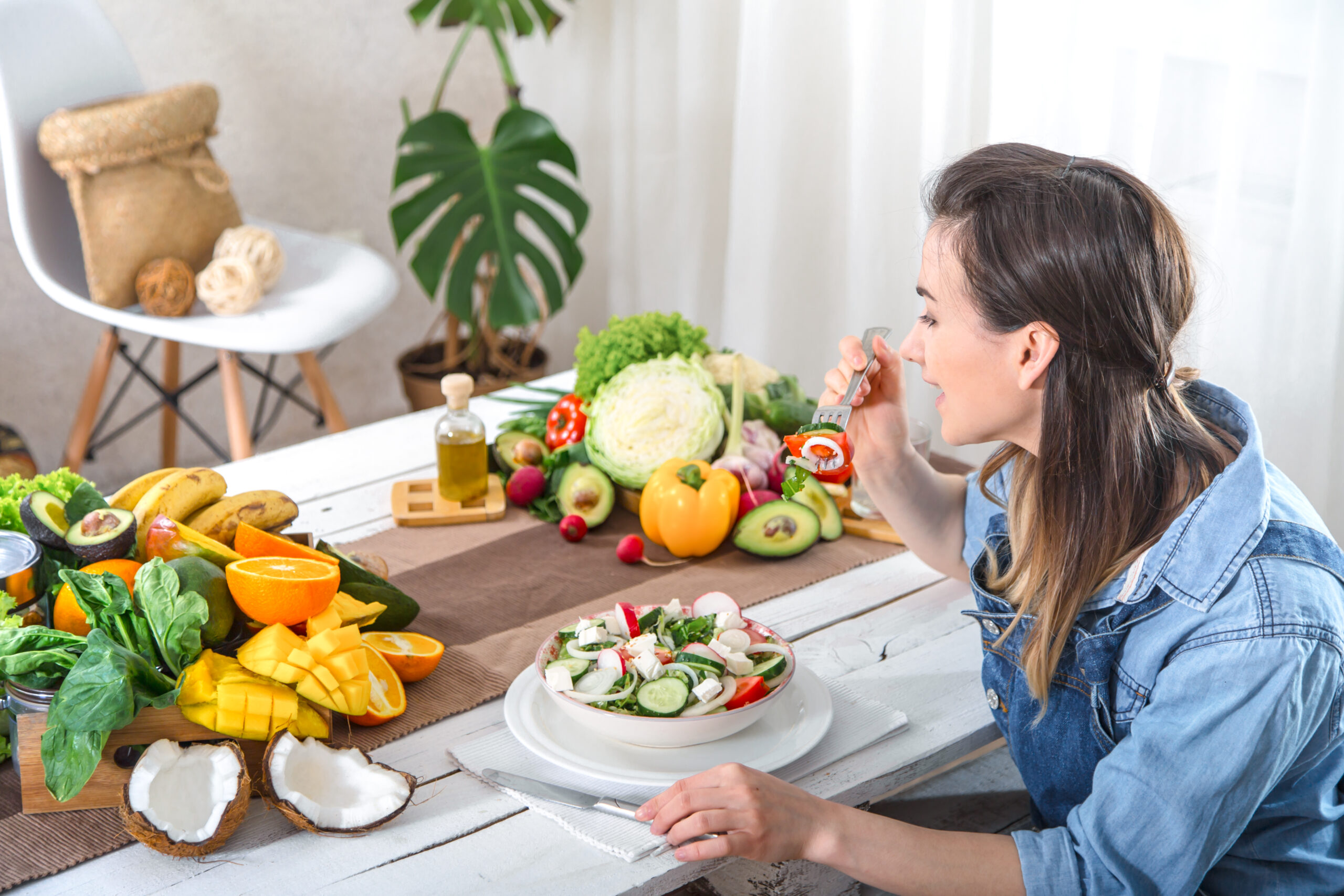
Hormones affect everything from your energy and mood to your skin, weight, sleep, and menstrual cycle. The good news is that certain foods that balance hormones naturally for women can support the body in a gentle and sustainable way. Eating the right nutrients regularly may help reduce inflammation, support gut health, improve insulin sensitivity, and promote better hormonal balance.
Women today often struggle with issues like PCOS, thyroid imbalance, irregular periods, acne, fatigue, mood swings, and bloating. According to functional medicine expert, Smriti Kochar, many hormonal concerns are deeply connected to gut health, inflammation, stress, and nutrient deficiencies.
Why Food Matters for Hormonal Health
Hormones work like chemical messengers in the body. When your diet lacks nutrients or contains too much processed food, sugar, and unhealthy fats, the body may struggle to produce and regulate hormones properly.
A balanced diet can help:
- Support estrogen and progesterone balance
- Improve insulin response
- Reduce inflammation
- Support thyroid health
- Improve gut microbiome health
- Reduce stress on the body
Functional nutrition experts like Smriti Kochar often focus on using food as medicine to address root causes instead of only managing symptoms.
Best Foods That Balance Hormones Naturally for Women
1. Flaxseeds
Flaxseeds are rich in lignans and omega-3 fatty acids that may support healthy estrogen metabolism. They are also excellent for digestion and gut health, which plays a major role in hormone regulation.
You can add ground flaxseeds to smoothies, curd, oats, or salads.
2. Healthy Fats
Healthy fats are important for hormone production. Avocados, nuts, seeds, olive oil, and desi ghee in moderation can support hormonal function and reduce inflammation.
Women with hormone imbalance often avoid fats completely, but the body needs good fats to make hormones properly.
3. Cruciferous Vegetables
Vegetables like broccoli, cauliflower, cabbage, and kale support the liver in processing excess estrogen. They are also high in fiber, which helps remove toxins from the body naturally.
Including these vegetables regularly may support women dealing with estrogen dominance, bloating, or PMS symptoms.
4. Protein-Rich Foods
Protein helps stabilize blood sugar levels and reduces cravings. Blood sugar imbalance can affect hormones like insulin and cortisol.
Good protein sources include:
- Eggs
- Lentils
- Paneer
- Fish
- Chicken
- Greek yogurt
- Tofu
Balanced protein intake also supports muscle health and energy levels.
5. Pumpkin Seeds
Pumpkin seeds are rich in zinc and magnesium, two minerals that support hormone production and stress management. Magnesium especially helps with sleep quality and mood regulation.
You can eat roasted pumpkin seeds as a snack or sprinkle them on meals.
6. Fermented Foods
Gut health and hormone health are closely linked. Fermented foods help improve gut bacteria, digestion, and nutrient absorption.
Helpful fermented foods include:
- Homemade curd
- Kefir
- Kanji
- Sauerkraut
- Kimchi
According to Smriti Kochar, healing the gut is often one of the first steps toward improving hormonal balance naturally. Many women with chronic inflammation, bloating, or digestive discomfort may benefit from guidance from a gut infections expert,
7. Berries
Blueberries, strawberries, and raspberries are packed with antioxidants that help reduce inflammation and oxidative stress in the body.
Chronic inflammation can disturb hormone function and worsen symptoms like acne, fatigue, and irregular periods.
8. Leafy Greens
Spinach, methi, coriander, and other leafy greens provide iron, magnesium, and folate. These nutrients support menstrual health, energy production, and detoxification.
Women with heavy periods or fatigue may especially benefit from iron-rich foods.
9. Turmeric
Turmeric contains curcumin, a powerful anti-inflammatory compound that may help support hormonal and reproductive health.
Adding turmeric to warm milk, curries, or soups can be a simple daily habit.
10. Fruits Rich in Vitamin C
Oranges, amla, kiwi, and guava help support adrenal health and reduce oxidative stress. Vitamin C is also important for progesterone production and immune support.
Foods to Limit for Better Hormonal Balance
While focusing on healthy foods, it is equally important to reduce foods that may worsen hormonal imbalance:
- Excess sugar
- Processed snacks
- Refined flour
- Sugary drinks
- Excess alcohol
- Deep-fried foods
These foods may increase inflammation, blood sugar spikes, and gut imbalance. In some cases, poor digestion and conditions like leaky gut syndrome may also contribute to ongoing hormonal and inflammatory issues.
Lifestyle Habits Also Matter
Hormonal balance is not only about food. Sleep, stress management, movement, and gut health also play a major role.
Experts like Smriti Kochar use a root-cause approach that combines nutrition, lifestyle changes, and gut health support for long-term wellness.
Final Thoughts
Eating foods that balance hormones naturally for women is one of the most effective ways to support long-term health. Small daily habits like improving gut health, reducing processed foods, managing stress, and eating nutrient-rich meals can make a meaningful difference over time.
If you are struggling with PCOS, thyroid issues, fatigue, acne, irregular periods, bloating, or other hormonal concerns, consulting a functional nutrition expert may help you understand the root cause better. Smriti Kochar focuses on a “food as medicine” approach and works on gut health, inflammation, and lifestyle factors that impact hormones naturally.
Disclaimer: For personalised advice, please connect with Smriti Kochar. Please do not follow these recommendations without proper guidance.
Frequently Asked Questions
Foods like flaxseeds, leafy greens, healthy fats, berries, fermented foods, and protein-rich meals are considered helpful for hormonal balance naturally.
Yes, a balanced diet may help support insulin balance, reduce inflammation, improve gut health, and support hormone production over time.
Women should try to reduce processed foods, excess sugar, refined flour, sugary beverages, and unhealthy fats that may worsen inflammation and hormonal imbalance.
The gut helps process and remove excess hormones from the body. Poor gut health may contribute to issues like bloating, acne, fatigue, and estrogen imbalance.
In many cases, lifestyle changes, proper nutrition, stress management, sleep, and gut health support may help improve hormonal health naturally under expert guidance.

