

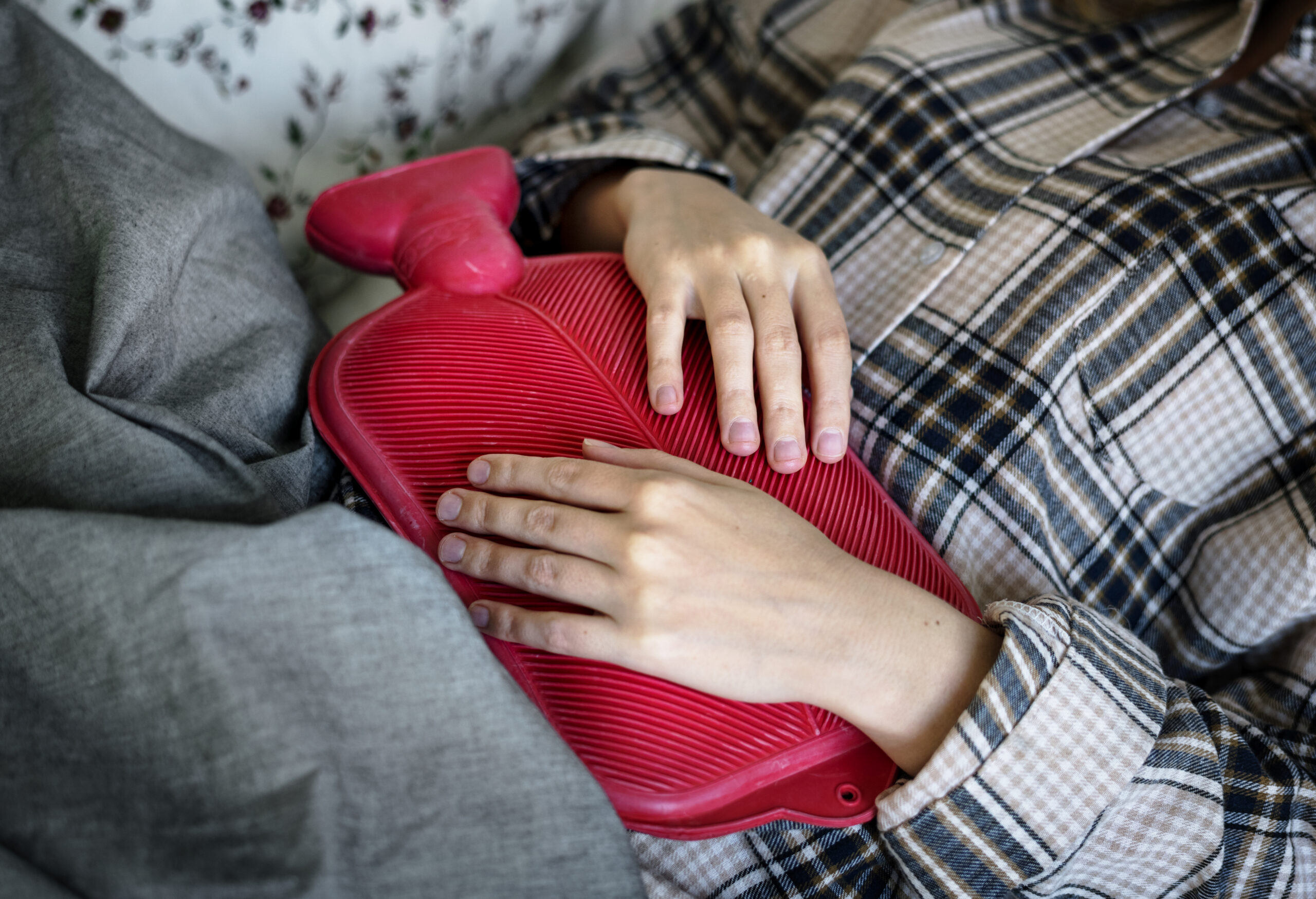
Period pain can feel exhausting, uncomfortable, and difficult to manage every month. The good news is that the right food choices can help reduce cramps, bloating, fatigue, and mood swings naturally. Certain foods support hormone balance, reduce inflammation, and improve blood flow, which may help ease menstrual discomfort over time.
If you often experience painful periods, your diet may be playing a bigger role than you think. Simple changes like eating anti-inflammatory foods, improving gut health, and avoiding processed foods can make a noticeable difference in how your body feels during your menstrual cycle.
Why Food Matters During Periods
Menstrual cramps happen because the uterus contracts to shed its lining. These contractions are triggered by hormone-like compounds called prostaglandins. Higher levels of prostaglandins are often linked to stronger cramps and inflammation.
A balanced diet can help reduce inflammation in the body and support healthy hormone function. Nutrient-rich foods also help replenish iron, magnesium, and other minerals that may drop during menstruation.
According to functional nutrition experts, poor gut health, processed foods, sugar overload, and nutrient deficiencies can worsen hormonal symptoms and period pain.
Best Foods to Reduce Period Pain
1. Magnesium-Rich Foods
Magnesium helps relax muscles and may reduce cramping. Many women with severe period pain are low in magnesium.
Include foods like:
- Pumpkin seeds
- Almonds
- Spinach
- Dark chocolate
- Bananas
Adding magnesium-rich foods before and during your cycle may help relax uterine muscles naturally.
2. Omega-3 Fatty Acids
Omega-3 fats are known for their anti-inflammatory benefits. They may help reduce the intensity of menstrual cramps.
Good sources include:
- Fatty fish like salmon and sardines
- Walnuts
- Chia seeds
- Flaxseeds
These healthy fats also support hormone balance and overall reproductive health.
3. Iron-Rich Foods
Heavy bleeding during periods can lead to fatigue and weakness due to low iron levels.
Include:
- Beetroot
- Pomegranate
- Lentils
- Dates
- Leafy greens
Pair iron-rich foods with vitamin C sources like lemon or oranges to improve absorption.
4. Warm and Easy-to-Digest Foods
Warm foods can improve digestion and help the body feel relaxed during menstruation.
Helpful options include:
- Soups
- Herbal teas
- Khichdi
- Steamed vegetables
- Warm porridges
Ginger tea and cinnamon tea are also commonly used to reduce bloating and cramps naturally.
5. Anti-Inflammatory Foods
Inflammation can make period pain worse. Anti-inflammatory foods may help calm the body.
Add:
- Turmeric
- Berries
- Tomatoes
- Olive oil
- Green vegetables
Turmeric contains curcumin, which is widely studied for its anti-inflammatory properties.
Foods to Avoid During Period Pain
Some foods may worsen cramps, bloating, or hormonal imbalance.
Try limiting:
- Packaged and processed foods
- Excess sugar
- Fried foods
- Soft drinks
- Excess caffeine
- Alcohol
Too much salt may also increase water retention and bloating during periods.
The Gut Health and Hormone Connection
Your gut health plays an important role in hormone regulation. An unhealthy gut may affect estrogen balance and inflammation levels in the body. Functional nutrition approaches often focus on improving digestion and reducing inflammation to support better menstrual health.
Including probiotic-rich foods like curd, fermented vegetables, and fiber-rich fruits may support a healthier gut microbiome.
Lifestyle Tips Along With Food
Food works best when combined with healthy daily habits.
You may also benefit from:
- Staying hydrated
- Getting enough sleep
- Gentle movement like walking or yoga
- Reducing stress
- Avoiding late-night eating
Consistency matters more than quick fixes. Supporting your body throughout the month may help reduce symptoms gradually.
When to Seek Professional Help
Occasional cramps are common, but severe period pain should not be ignored. If your pain disrupts daily life, causes vomiting, extremely heavy bleeding, or continues to worsen, it is important to consult a qualified health professional.
Conditions like PCOS, endometriosis, hormonal imbalance, inflammation, and gut-related issues can sometimes contribute to painful periods. Functional nutrition may help identify underlying causes and support long-term healing through food and lifestyle changes.
Consult Smriti Kochar for a Root-Cause Healing Approach
If you are struggling with painful periods, hormonal imbalance, bloating, PCOS, or chronic inflammation, working on the root cause can make a significant difference. Smriti Kochar is widely known for her functional nutrition and gut health approach focused on “Food as Medicine.” Her work combines nutrition, lifestyle changes, gut health support, and functional medicine principles to help people manage chronic health concerns naturally.
Disclaimer: For personalised advice, please connect with Smriti Kochar. Please do not follow these recommendations without proper guidance.
Frequently Asked Questions
Magnesium-rich foods, warm herbal teas, omega-3-rich foods, and anti-inflammatory foods may help reduce cramps naturally. Ginger tea and warm soups are commonly helpful during painful periods.
Yes, diet can support hormone balance and reduce inflammation in the body. Consistently eating nutrient-dense foods may help lower the intensity of menstrual symptoms over time.
Too much caffeine may increase bloating, anxiety, and discomfort in some women. Reducing excess coffee during periods may help manage symptoms better.
Bananas, berries, oranges, and pomegranates are good choices during periods because they provide vitamins, minerals, and hydration.
Yes, poor gut health may contribute to inflammation and hormone imbalance, which can worsen period pain. Supporting gut health may improve menstrual wellness.

