

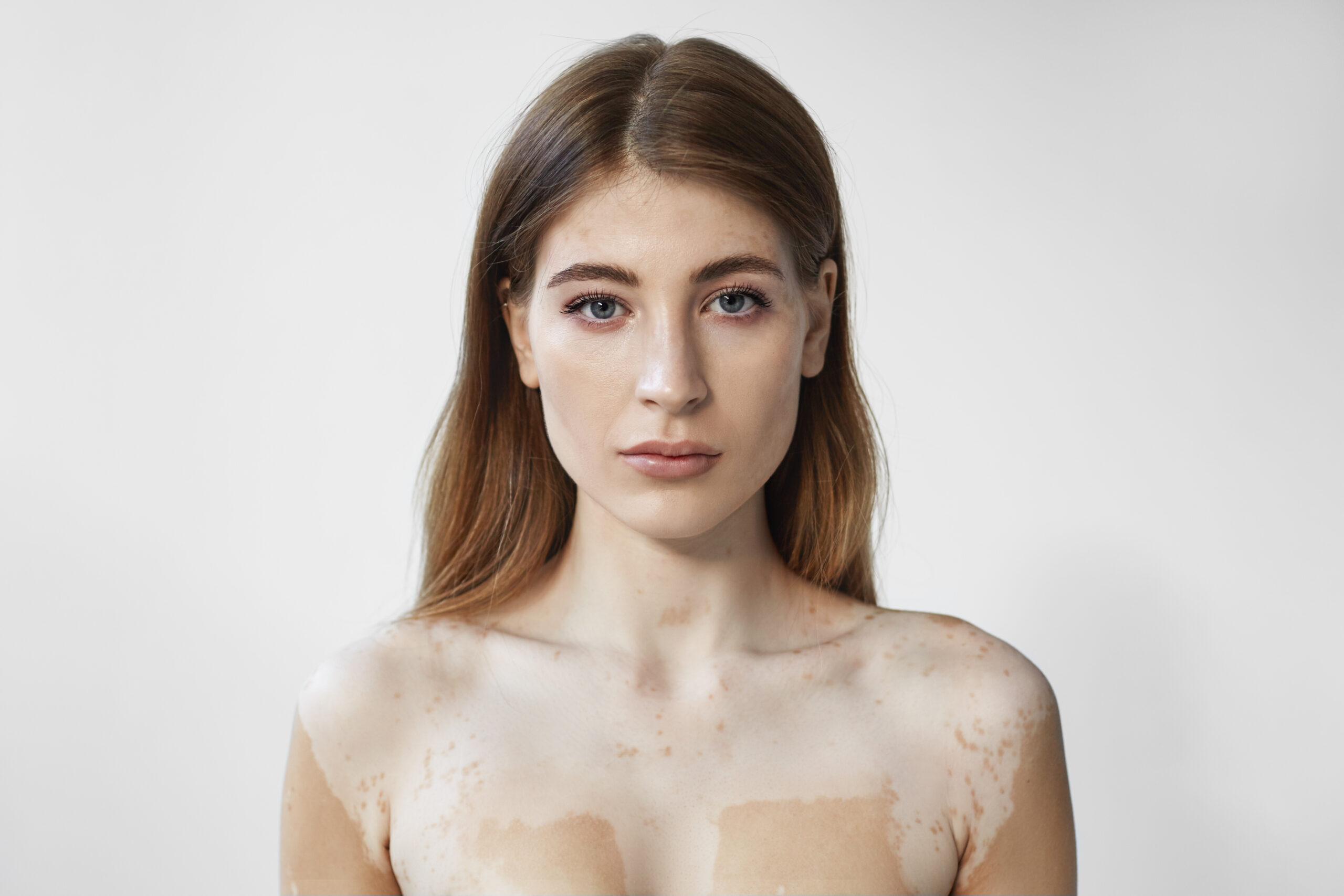
Can vitiligo be cured? At present, there is no permanent and universal cure for vitiligo. However, many medical treatments and supportive approaches can help restore skin colour, slow the spread of white patches, and significantly improve appearance. Early diagnosis and consistent care greatly improve the chances of successful management.
Can vitiligo be cured? is often the first question people ask after noticing unexplained white patches on their skin. The honest answer is that vitiligo does not yet have a complete medical cure, but it can be effectively managed in many cases. With proper dermatological treatment, lifestyle support, and professional guidance such as that offered by functional health experts like Smriti Kochar, individuals can work toward stabilising the condition and improving overall wellbeing. Understanding how vitiligo develops and what realistic outcomes look like can make the journey less overwhelming and more informed.
What Is Vitiligo?
Vitiligo is a chronic autoimmune skin disorder that causes loss of pigment in certain areas of the body. It occurs when melanocytes, the cells responsible for producing melanin, are destroyed or stop functioning properly. Melanin is what gives skin, hair, and eyes their colour.
The condition can begin at any age, though it often appears before the age of thirty. It affects both men and women equally and can occur in all ethnic groups. While vitiligo is medically harmless, it can have a profound psychological and emotional impact, particularly in societies where appearance strongly influences confidence and social interaction.
Vitiligo may appear as small white patches at first. Over time, these patches may enlarge or spread to other areas. In some cases, hair growing in affected areas may also turn white.
What Causes Vitiligo?
The exact cause of vitiligo remains complex, but researchers agree that it is primarily an autoimmune disorder. In autoimmune diseases, the immune system mistakenly attacks healthy cells. In vitiligo, melanocytes are the target.
Several factors may contribute:
- Autoimmune response where the immune system destroys pigment producing cells
- Genetic predisposition since individuals with family history have higher risk
- Oxidative stress leading to cellular damage
- Emotional stress which may trigger onset or flare ups
- Skin trauma such as burns or injuries
- Associated autoimmune conditions including thyroid disorders and type 1 diabetes
Vitiligo is rarely caused by a single factor. It usually develops due to a combination of genetic susceptibility and environmental triggers.
Can Vitiligo Be Cured?
When asking can vitiligo be cured, it is important to understand what the word cure truly means. A cure implies permanent elimination of a disease without the possibility of recurrence. At present, medical science does not offer a guaranteed permanent cure for vitiligo.
That said, many individuals experience substantial improvement. Some achieve partial repigmentation, where colour returns to affected areas. Others reach a stage where the condition stops progressing and remains stable for years.
In certain rare cases, spontaneous repigmentation may occur, but this is not common and cannot be reliably predicted.
Therefore, while vitiligo cannot currently be cured in the strictest medical sense, it can often be controlled and managed effectively with appropriate treatment and monitoring.
Conventional Medical Treatments for Vitiligo
Dermatology offers several established treatment options that aim to restore pigment or stabilise the condition.
- Topical corticosteroids are often prescribed in early or localised cases. These creams reduce inflammation and may stimulate repigmentation when used under medical supervision.
- Calcineurin inhibitors are another topical option. They are particularly useful for sensitive areas such as the face.
- Phototherapy using narrowband ultraviolet B light is widely considered one of the most effective treatments for widespread vitiligo. Regular sessions over several months may stimulate melanocyte activity and encourage pigment return.
- Excimer laser therapy may be used for smaller, targeted areas.
- In stable cases where vitiligo has not spread for a significant period, surgical options such as skin grafting or melanocyte transplantation may be considered.
- For individuals with extensive vitiligo covering a large portion of the body, depigmentation therapy may be used to create a uniform skin tone.
- Treatment response varies widely from person to person. Factors such as age, duration of condition, location of patches, and consistency of therapy influence outcomes.
Supportive and Lifestyle Approaches
Although medical treatment remains central, supportive lifestyle measures may complement conventional care.
- A balanced diet rich in antioxidants may support overall immune health. Foods containing vitamins B12, folate, zinc, and copper are often discussed in relation to skin health.
- Stress management is particularly important, as psychological stress may aggravate autoimmune activity. Techniques such as meditation, yoga, counselling, and adequate sleep may contribute positively.
- Maintaining gut health is increasingly being studied in relation to autoimmune conditions. While research is ongoing, supporting digestive health through balanced nutrition and avoiding excessive processed foods may be beneficial.
- Sun protection is essential. Depigmented areas are more sensitive to ultraviolet radiation and prone to sunburn.
While these measures do not cure vitiligo, they may improve overall resilience and wellbeing. For those monitoring broader metabolic health, a diabetic diet chart or diabetic food chart can offer structured nutritional guidance, while some may specifically ask is papaya good for diabetes when choosing skin-healthy fruits.
Cure Versus Management
It is helpful to distinguish between cure and management.
- A cure means the complete and permanent disappearance of the disease.
- Remission means the condition becomes inactive or stops progressing.
- Repigmentation refers to the return of colour to affected areas.
- Stabilisation means the condition stops spreading further.
For most individuals, the realistic goal is stabilisation and cosmetic improvement rather than permanent eradication.
Emotional and Psychological Considerations
Vitiligo can affect self esteem and social confidence. Visible changes can sometimes lead to mixed anxiety depression, making a personalized anxiety care plan a helpful tool. Stress can also manifest as anxiety and shortness of breath, and many ask can anxiety cause chest pain. Incorporating foods that reduce anxiety can be a supportive addition to daily routines. Feelings of embarrassment, anxiety, or frustration are common, particularly among adolescents and young adults.
Psychological support, counselling, or support groups can make a meaningful difference. Addressing emotional health is as important as addressing physical symptoms.
Education also plays a crucial role. Understanding that vitiligo is not contagious and does not reflect poor hygiene or lifestyle can reduce stigma.
Connect With Smriti Kochar – Functional Support for Your Healing Journey
If you’re looking for personalized guidance on managing vitiligo or other autoimmune-related health challenges from a functional perspective, consult Smriti Kochar, India’s #1 Gut Health Coach & Functional Nutritionist. Her root-cause approach focuses on deep healing, not just symptom masking. Book a consultation to explore a tailored plan that supports your body from the inside out.
Final Thoughts
The question can vitiligo be cured does not have a simple yes or no answer. While a permanent cure does not yet exist, many individuals successfully manage vitiligo with modern treatments and supportive care. Early diagnosis, realistic expectations, emotional resilience, and professional guidance all contribute to better outcomes. With ongoing research and evolving therapies, the future holds continued hope for improved management and possibly more definitive solutions.
Frequently Asked Questions
Vitiligo often begins as small pale or white patches on sun-exposed areas such as the hands, face, or feet. These patches may slowly enlarge over time. In some individuals, progression is rapid, while in others it remains limited for years.
Currently, vitiligo cannot be cured permanently. Treatments aim to restore pigment and prevent further spread. Some individuals achieve long term remission, but recurrence remains possible.
Vitiligo is not life threatening and does not directly damage internal organs. However, it can increase sun sensitivity and may significantly impact emotional wellbeing.
Narrowband ultraviolet B phototherapy combined with topical medications is often considered highly effective for many patients. The best treatment depends on individual factors and should be guided by a dermatologist.
The exact reason remains under investigation. Genetic predisposition combined with environmental triggers may cause the immune system to misidentify melanocytes as harmful, leading to their destruction.
Progression varies widely. Some individuals experience limited patches that never spread significantly. Others may see gradual expansion over time. Early treatment may help reduce progression.
In some cases, patches may remain stable without treatment. In others, the condition may gradually spread. Untreated depigmented areas are more prone to sunburn.
Yes, children can develop vitiligo. Early diagnosis and treatment often produce favourable outcomes. Phototherapy and topical treatments are commonly used under medical supervision.

