

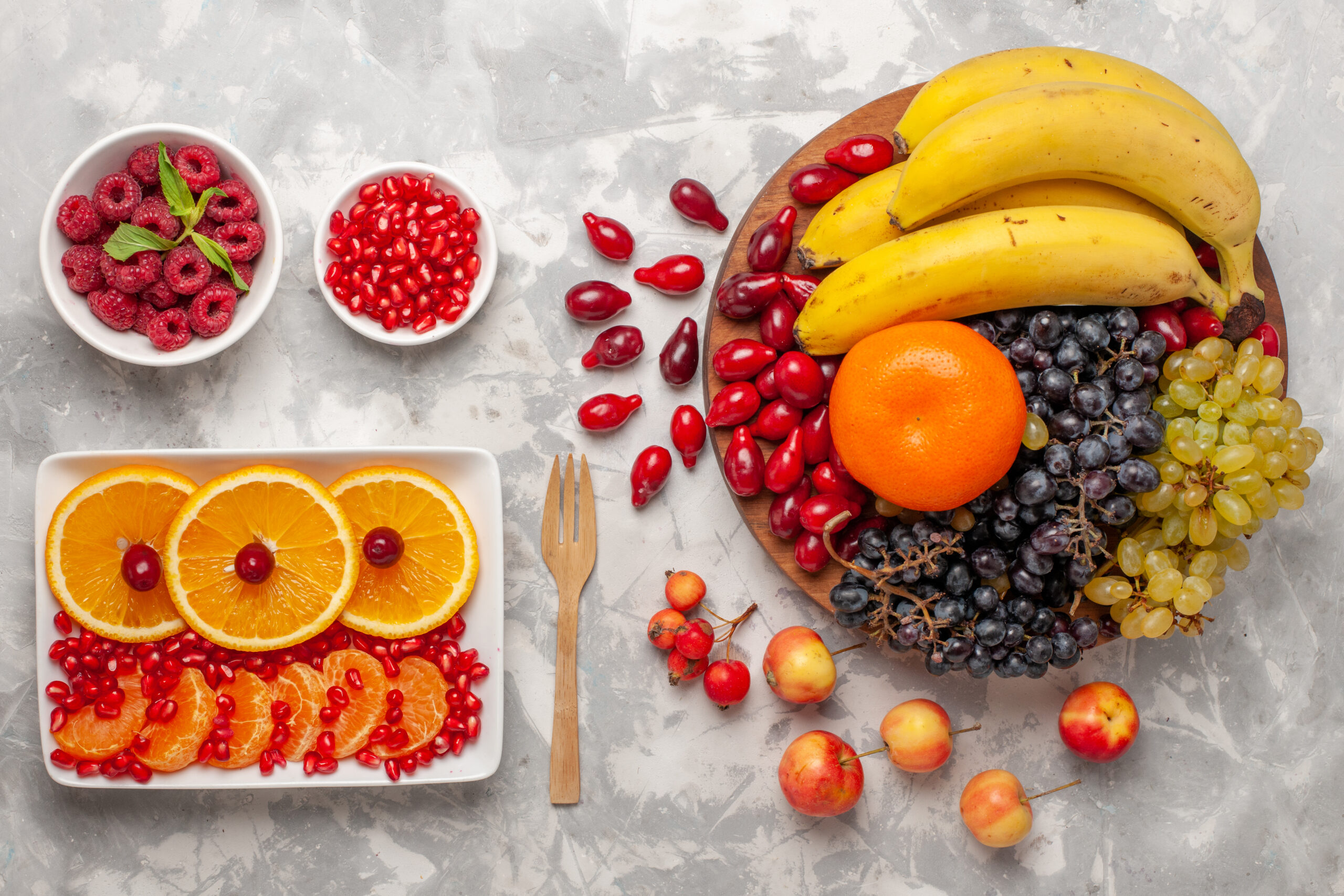
Many people living with diabetes believe that all fruits are off-limits. This is a common misconception. The reality is that diabetics can enjoy fruits safely if they choose wisely and focus on the right types of fruits. In this comprehensive guide, we will explore the 5 best fruits for diabetics, offering practical advice, portion recommendations, and functional nutrition tips to help you manage blood sugar while enjoying the natural sweetness of fruit.
Fruits are not just a source of natural sugar. They are rich in fiber, antioxidants, vitamins, and minerals, all of which play a vital role in supporting blood sugar stability, heart health, and overall wellness. By making smart fruit choices, you can include a variety of delicious fruits in your diet without fear of blood sugar spikes. This article will guide you through the 5 best fruits for diabetics, explain why these fruits are ideal, and provide strategies for incorporating them into your meals effectively.
Understanding How Fruits Affect Blood Sugar
Understanding how fruits impact blood sugar is critical for anyone managing diabetes. While fruits contain natural sugars, the presence of fiber, vitamins, and antioxidants helps moderate blood sugar spikes. Eating the wrong fruits or consuming large quantities without planning can still raise glucose levels, so knowledge and awareness are key.
What Happens When You Eat Fruit
When you eat fruit, your body breaks down its sugars, mainly fructose and glucose, which enter the bloodstream. The fiber in whole fruits slows digestion and sugar absorption, providing a gradual release of glucose rather than a sudden spike. Antioxidants and polyphenols in fruits help improve insulin sensitivity, support heart health, and reduce inflammation. For example, an apple eaten with its skin provides fiber and nutrients, ensuring blood sugar rises slowly, unlike a candy bar or sweetened juice.
Glycemic Index and Glycemic Load
The Glycemic Index (GI) measures how quickly foods raise blood sugar, while Glycemic Load (GL) takes into account portion size. Choosing fruits with low GI and GL values is essential for diabetics. Low-GI fruits release sugar gradually, helping to maintain stable glucose levels throughout the day.
Fruits that are considered low GI include
- Berries such as strawberries, blueberries, and raspberries
- Apples
- Pears
- Grapefruit
- Cherries
By understanding GI and GL, diabetics can make informed choices about which fruits to eat and when to consume them.
Natural Sugar Versus Refined Sugar
It is important to differentiate natural sugars in fruits from refined sugars found in processed foods. Fruits contain fiber and antioxidants that slow sugar absorption and provide essential nutrients, whereas refined sugar can trigger sharp glucose spikes, increase insulin demand, and contribute to inflammation. For example, drinking a glass of orange juice can raise blood sugar faster than eating a whole orange because it lacks fiber and slows digestion.
The 5 Best Fruits for Diabetics
Here are the 5 best fruits for diabetics, selected based on scientific research and their ability to support balanced blood sugar. Including these fruits in your diet can satisfy sweet cravings while contributing to overall health.
1. Berries
Berries, including strawberries, blueberries, and raspberries, are among the 5 best fruits for diabetics because of their unique nutritional profile.
Benefits of berries for diabetics include
- High in antioxidants and polyphenols that reduce inflammation
- Excellent source of dietary fiber, which slows glucose absorption
- Low GI values between 40 and 45, making them ideal for stable blood sugar
- Can improve insulin sensitivity and support heart health
Berries are versatile and can be added to breakfast cereals, smoothies, or eaten as a healthy snack.
2. Apples
Apples are a classic fruit and consistently ranked among the 5 best fruits for diabetics due to their nutrient density and moderate sugar content.
Benefits of apples for diabetics include
- Contain pectin, a type of soluble fiber that supports gut health and slows sugar absorption
- Low to moderate GI of approximately 38
- Help curb sweet cravings naturally
- Provide vitamins and antioxidants that support immune function and overall health
Eating apples with the skin maximizes fiber intake, and pairing with nuts or yogurt further helps stabilize blood sugar.
3. Grapefruit
Grapefruit is another low-GI fruit and a top choice among the 5 best fruits for diabetics.
Benefits of grapefruit include
- GI of about 25, ensuring a slow release of sugar
- Contains naringenin, a bioactive compound that can improve insulin response
- Hydrating and rich in vitamin C
- Supports liver function and metabolism, aiding in overall glucose regulation
Diabetics should be cautious with grapefruit if taking certain medications, so it is important to consult a healthcare professional.
4. Cherries
Cherries are small but powerful, making them one of the 5 best fruits for diabetics.
Benefits of cherries include
- Very low GI of approximately 22
- Rich in anthocyanins, which help reduce oxidative stress and blood sugar spikes
- Promote better sleep and improve overall metabolic health
- Provide essential vitamins and minerals, including vitamin C and potassium
Cherries can be eaten fresh or added to salads and yogurt for a nutritious snack.
5. Pears
Pears are often overlooked but deserve a place in the list of 5 best fruits for diabetics.
Benefits of pears include
- Moderate GI around 38, providing a slow release of sugar
- High fiber content and water composition slow sugar absorption
- Support a healthy gut microbiome, which is linked to better glucose control
- Contain antioxidants that protect against inflammation
Eating fresh or lightly poached pears without added sugar is the best option.
Fruits to Eat in Moderation
Not all fruits are equally beneficial for diabetics. Certain fruits are higher in sugar and should be enjoyed in moderation.
Fruits to limit include
- Bananas
- Mangoes
- Grapes
- Pineapples
Tips for enjoying these fruits safely
- Combine with protein or healthy fats like nuts, seeds, or yogurt
- Eat after meals rather than on an empty stomach
- Keep portions small, such as half a banana or a small handful of grapes
Focusing on pairing and timing allows diabetics to enjoy these fruits occasionally without negative impacts on blood sugar.
Smart Tips for Adding Fruits to a Diabetic Diet
Including fruits as part of a diabetic diet requires strategy and awareness. Here are practical tips:
- Always choose whole fruits over juices to benefit from fiber
- Eat fruits with meals rather than on an empty stomach to slow sugar absorption
- Combine fruits with protein or healthy fats to stabilize glucose levels
- Track your blood sugar response to understand how your body reacts to specific fruits
- Support gut health, as a healthy microbiome improves insulin sensitivity and reduces sugar cravings
By following these strategies, diabetics can enjoy the 5 best fruits for diabetics without fear and enhance overall metabolic health.
Functional Nutrition Perspective: Healing Blood Sugar Through the Gut
Long-term blood sugar control is not just about what you eat but also how your body processes it. Gut health plays a crucial role in insulin resistance, sugar cravings, and inflammation.
- Chronic gut inflammation can trigger elevated blood sugar and insulin resistance
- Functional nutrition focuses on addressing root causes instead of just managing symptoms
- Tests like GI-MAP can identify hidden gut imbalances impacting blood sugar
- Healing the gut naturally supports better insulin function and allows safe inclusion of the 5 best fruits for diabetics
Smriti Kochar emphasizes: “Heal the gut, balance the sugar.” By addressing the root cause, you can enjoy fruits, stabilize blood sugar, and achieve long-term metabolic health.
Conclusion: Enjoy Fruits the Smart Way
You do not need to fear fruits if you make the right choices. The 5 best fruits for diabetics; berries, apples, grapefruit, cherries, and pears, provide essential nutrients, fiber, and antioxidants that support stable blood sugar.
Pair these fruits with meals, control portions, and focus on gut health to enjoy fruits while managing diabetes effectively. With the right approach, fruits can become a natural ally in your journey toward better health.
Read Our Latest Blogs
inspirational quotes for depression | can depression be cured | mixed anxiety depression | anxiety care plan | anxiety and shortness of breath | can anxiety cause chest pain | foods that reduce anxiety | diabetic diet chart | diabetic food chart | is papaya good for diabetes | horlicks for diabetics | is beetroot good for diabetes | best food for diabetes control | is banana good for diabetes
Frequently Asked Questions
Ans: Yes, most berries like strawberries, blueberries, and raspberries are low GI, high in fiber, and suitable for diabetics. They provide antioxidants and can improve insulin sensitivity.
Ans: Diabetics should aim for 2 to 3 servings of low-GI fruits per day, keeping portions controlled to avoid blood sugar spikes.
Ans: No, fruit juices lack fiber and can cause rapid blood sugar spikes. Whole fruits are always the safer option.
Ans: Yes, their fiber and slow-release sugars make them excellent substitutes for processed sweet snacks.
Ans: Dried fruits are high in concentrated sugar and should be consumed sparingly, if at all.
Ans: Yes, grapefruit may interact with certain medications. Always consult your doctor before including it in your diet.
Ans: Yes, fruits like berries, apples, and cherries contain antioxidants and polyphenols that support insulin sensitivity.
Ans: Fruits are best eaten with or after meals to reduce blood sugar spikes and optimize digestion.

