

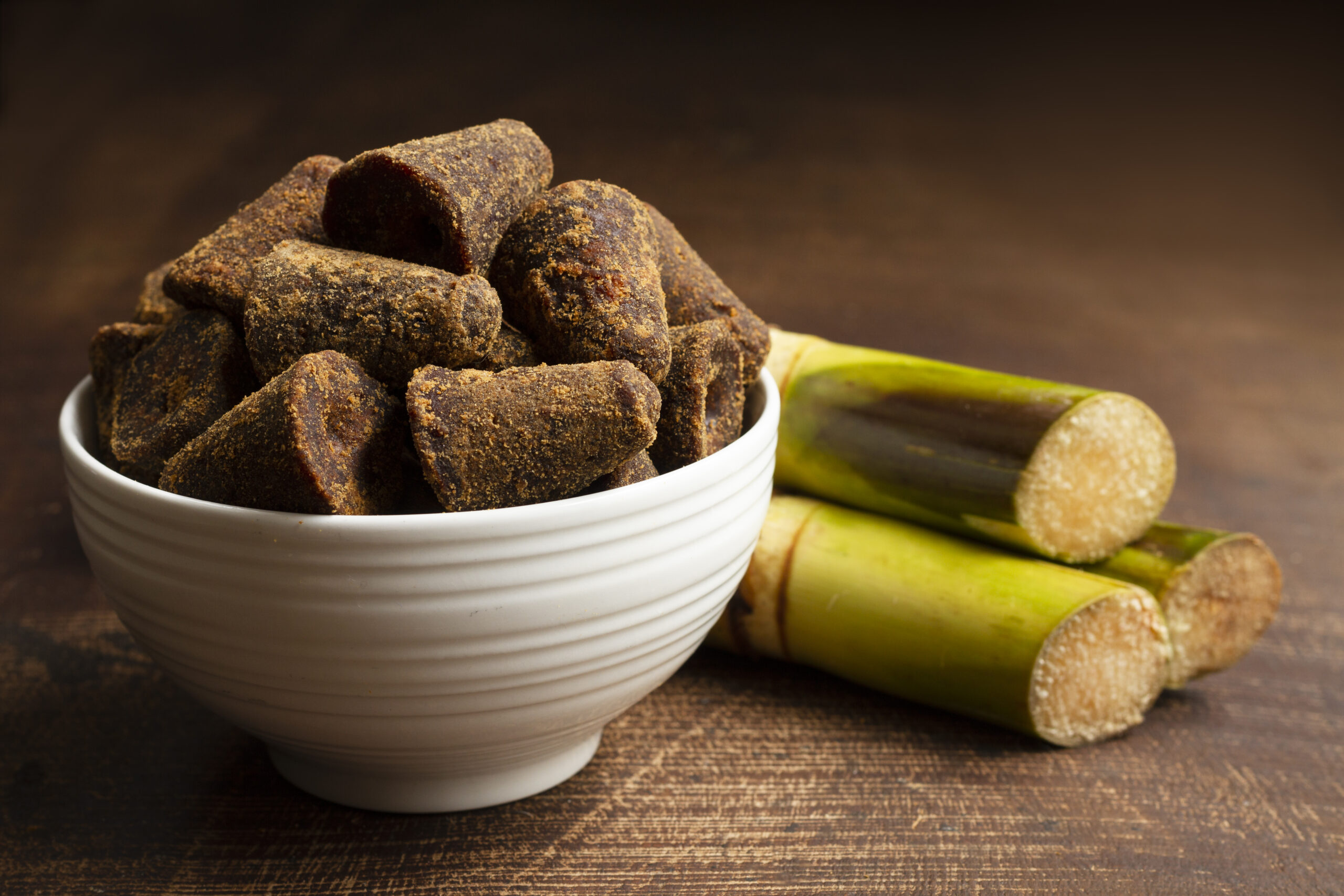
If you are wondering is jaggery good for diabetes, the answer is not as simple as a yes or no. Jaggery, a traditional unrefined sweetener, is often considered healthier than sugar due to its mineral content. However, it is still high in sugar and can raise blood glucose levels significantly if consumed without caution. For people managing diabetes, this makes understanding jaggery’s effects essential.
In this article, we will provide a detailed, evidence-based analysis to answer is jaggery good for diabetes. We will explain how it affects blood sugar, compare it with other sweeteners, and give practical tips for including it safely in a diabetes-friendly diet. By the end, you will know how to enjoy traditional flavors like jaggery without compromising your health.
What Is Jaggery?
Jaggery, known as gur in India, is a natural sweetener made by boiling sugarcane juice or palm sap until it solidifies. Unlike refined sugar, jaggery is minimally processed and retains trace nutrients that are otherwise removed during sugar refining. These nutrients include:
- Iron, which helps in preventing anemia
- Potassium, which supports heart and kidney function
- Calcium, which is important for bone health
- Magnesium, which helps regulate blood sugar
Although these nutrients make jaggery appear healthier than sugar, it is important to understand that it is still predominantly sugar. Jaggery contains a high carbohydrate content and a moderate to high glycemic index, which means it can significantly affect blood glucose levels in people with diabetes.
When evaluating is jaggery good for diabetes, it is essential to note that while jaggery has some nutritional advantages, its sugar content still makes it a risky sweetener if consumed in large quantities or without monitoring blood glucose levels.
How Jaggery Affects Blood Sugar
One of the most important considerations when asking is jaggery good for diabetes is its effect on blood sugar. Even though jaggery contains some minerals, it is metabolized similarly to sugar, which can lead to a rise in blood glucose levels. Some key points include:
- Jaggery has a moderate to high glycemic load, so blood sugar rises more slowly than with refined sugar but still significantly.
- Minerals like iron and potassium in jaggery do not prevent blood sugar spikes.
- For people with diabetes, portion size is critical. Consuming jaggery frequently or in large quantities can lead to poor glycemic control.
- Timing and combination with other foods matter. Pairing jaggery with fiber or protein can help slow glucose absorption.
From a functional nutrition perspective, managing diabetes involves more than just choosing the right sweetener. Insulin resistance, inflammation, gut health, and overall dietary habits play a major role in blood sugar regulation.
Jaggery Versus Refined Sugar and Other Alternatives
When evaluating is jaggery good for diabetes, it is useful to compare jaggery with other sweeteners:
Jaggery versus Refined Sugar
- Jaggery contains trace minerals, whereas refined sugar provides no nutrients.
- Both are high in carbohydrates and can raise blood glucose.
- Jaggery may be slightly better for occasional use, but it is not safe in large amounts.
Jaggery versus Stevia
- Stevia is non-caloric and does not raise blood sugar levels.
- For people with diabetes, stevia is safer for daily use than jaggery.
Other Natural Sweeteners for Diabetes
- Monk fruit extract, which has a natural sweet taste and zero glycemic impact
- Erythritol, a sugar alcohol that adds sweetness without raising blood sugar
- Allulose, a low-calorie sugar alternative that is safe for people managing diabetes
Understanding these alternatives is important when considering is jaggery good for diabetes, as switching to low-GI sweeteners can help maintain stable blood sugar levels while still enjoying sweetness.
Functional Nutrition Perspective on Jaggery and Diabetes
Diabetes is not just about high blood sugar. It also involves insulin resistance, chronic inflammation, and gut health issues. From a functional nutrition perspective, which is the approach used by Smriti Kochar, the focus is on addressing root causes rather than just managing symptoms.
- Jaggery is not a “cure” for diabetes. While it contains nutrients, its sugar content still affects blood glucose.
- Functional nutrition emphasizes a balanced diet, including fiber, protein, healthy fats, and low-GI foods to maintain stable blood sugar levels.
- Lifestyle factors such as regular physical activity, sleep quality, and stress management are also crucial in managing diabetes effectively.
By understanding the role of sweeteners in the context of overall health, you can make informed decisions about including jaggery while still supporting your metabolic health.
Practical Tips for Including Jaggery in a Diabetes-Friendly Diet
If you are considering is jaggery good for diabetes, here are some practical tips:
- Always measure portions carefully; small amounts are preferable.
- Combine jaggery with fiber-rich foods or protein to slow the rise in blood sugar.
- Prefer low-GI sweeteners like stevia or monk fruit for daily use.
- Monitor your blood sugar after consuming jaggery to understand your body’s response.
- Focus on overall dietary patterns, including whole grains, vegetables, lean protein, and healthy fats.
- Avoid frequent snacking on jaggery-based sweets.
- Be cautious with recipes that combine jaggery with other high-sugar ingredients.
- Remember that consistency in lifestyle choices impacts blood sugar more than occasional indulgences.
Conclusion: So, Is Jaggery Good for Diabetes?
To answer the question is jaggery good for diabetes, the evidence shows that jaggery, while nutrient-rich, still raises blood sugar levels and must be consumed with caution. It is not a safe daily sweetener for diabetics.
A functional nutrition approach, focusing on low-GI foods, fiber, protein, and lifestyle modifications, is far more effective for managing diabetes than relying on any single sweetener. Jaggery can be included occasionally, but moderation and careful monitoring are essential for maintaining healthy blood sugar levels.
Book your consultation today with Smriti Kochar
If you want personalized guidance for managing diabetes naturally, work with Smriti Kochar, India’s leading gut health and functional nutrition expert. She specializes in addressing chronic conditions using food-based strategies and helps create individualized nutrition plans that stabilize blood sugar and improve overall health.
Book your consultation today with Smriti Kochar to discover a personalized, sustainable approach to managing diabetes naturally.
Read Our Latest Blogs
inspirational quotes for depression | can depression be cured | mixed anxiety depression | anxiety care plan | anxiety and shortness of breath | can anxiety cause chest pain | foods that reduce anxiety | diabetic diet chart | diabetic food chart | is papaya good for diabetes | horlicks for diabetics | is beetroot good for diabetes | 5 best fruits for diabetics | best food for diabetes control
Frequently Asked Questions
Jaggery contains trace minerals, but it is still high in sugar and can raise blood glucose. It is slightly better than refined sugar but should still be consumed in moderation.
Yes, small portions can be included occasionally, preferably paired with fiber or protein to reduce blood sugar spikes.
Generally, 5 to 10 grams per day is considered safe for most diabetics, but individual tolerance may vary.
Yes, stevia, monk fruit, erythritol, and allulose are safer alternatives with little to no impact on blood glucose.
No, jaggery cannot improve insulin resistance. Functional nutrition approaches, including a balanced diet, exercise, and gut health support, are needed.
Yes, but use minimal quantities and combine with low-GI ingredients like nuts, seeds, and whole grains.
No, brown sugar is similar to refined sugar in terms of blood sugar impact. Jaggery may provide trace minerals but does not reduce its effect on glucose.
Yes, only under careful portion control and guidance from a healthcare professional. Monitoring blood sugar after consumption is essential.

