

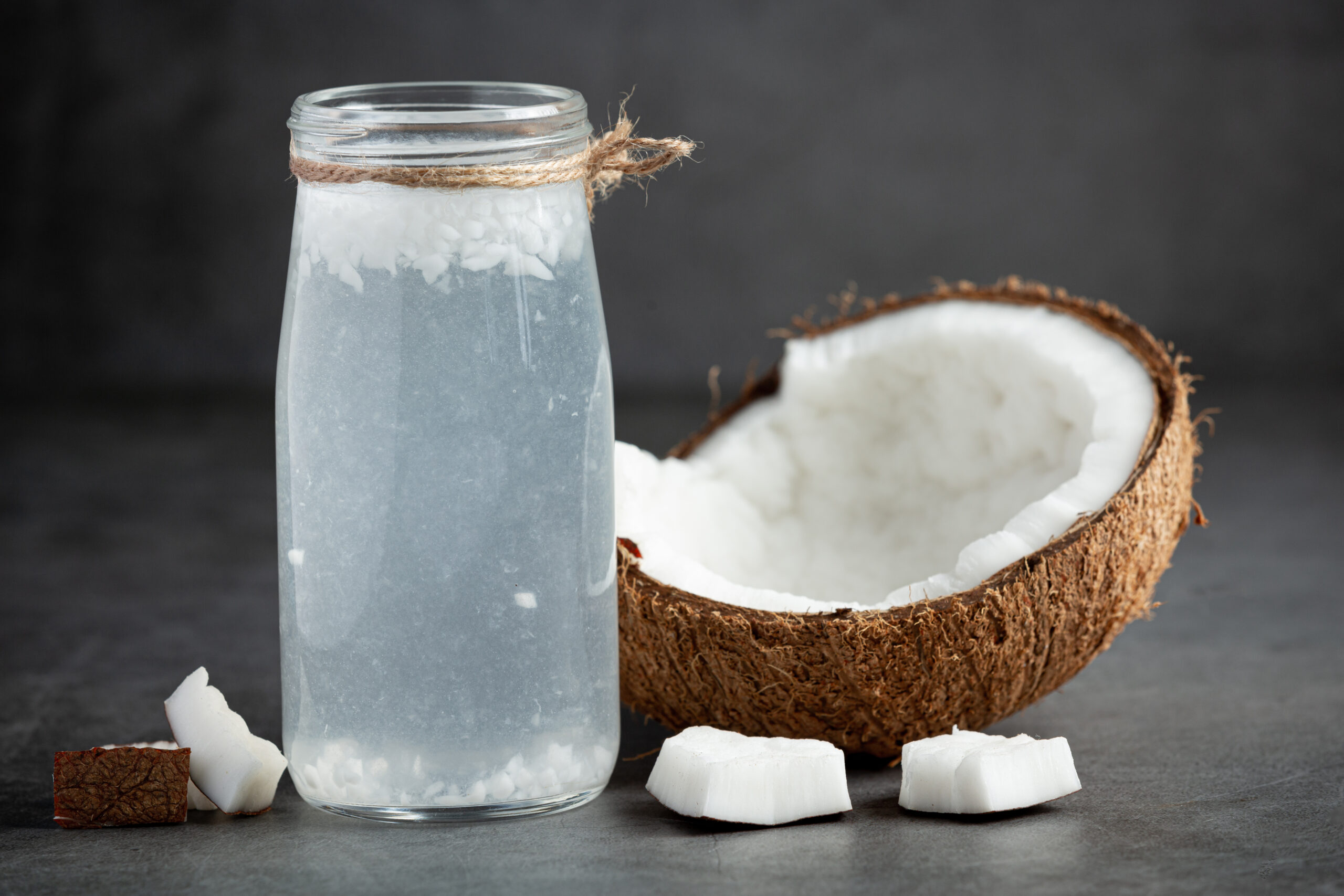
For a diabetic patient, maintaining proper hydration while controlling blood sugar levels is essential. Coconut water for diabetic patient can be a natural, refreshing, and low-calorie beverage option. It provides essential electrolytes without the added sugars found in most packaged drinks. In this guide, we explore whether coconut water is safe for diabetic patients, its benefits, risks, portion guidelines, and ways to incorporate it into a diabetes-friendly diet.
Coconut water has gained worldwide attention for its natural hydrating properties, rich electrolyte content, and mild, pleasant flavor. However, diabetic patients often have questions such as whether it can spike blood sugar, how much is safe to drink, and how it compares to other beverages. This article provides practical, evidence-based insights along with functional nutrition guidance inspired by Smriti Kochar’s philosophy of “food as medicine.” By the end of this article, you will understand how coconut water for diabetic patient can fit into a balanced and safe diabetes management plan.
What Is Coconut Water?
Coconut water is the clear, naturally sweet liquid found inside young green coconuts. It is important to distinguish coconut water from coconut milk and coconut juice. Coconut milk is creamy and high in fat, while coconut juice is often processed and sweetened. Fresh coconut water is naturally low in calories and contains essential electrolytes that help maintain hydration.
Nutritional Content of Coconut Water
The typical nutritional profile of coconut water includes:
- Calories between 45 and 60 per cup
- Carbohydrates approximately 9 grams
- Natural sugar around 6 grams
- Protein about 1 gram
- Electrolytes such as potassium 600 mg, sodium 250 mg, and magnesium 60 mg
- Minimal fiber less than 1 gram
Because of its natural sugars, coconut water for diabetic patient should be consumed in moderation. Despite containing sugar, it has a low glycemic index, which means it has a smaller impact on blood sugar compared to sodas, fruit juices, and other sweetened drinks. Coconut water is an excellent choice for hydration, offering both taste and functional benefits for diabetic patients.
Coconut Water and Diabetes: Scientific Insight
Scientific studies suggest that coconut water for diabetic patient can be consumed safely in moderation. Research shows that while it contains natural sugar, its impact on blood glucose levels is generally mild for most type 2 diabetic patients.
Some key findings include:
- Coconut water can maintain hydration without causing significant blood sugar spikes
- It is safer than most sugary beverages like sodas, energy drinks, or packaged fruit juices
- Certain studies indicate that coconut water may support insulin sensitivity and improve metabolic function when consumed as part of a balanced diet
Despite these benefits, individual responses may vary. It is recommended for diabetic patients to monitor their blood sugar after drinking coconut water to ensure it fits within their personal glycemic targets. Using coconut water for diabetic patient as a healthy hydration option can help replace high-sugar drinks in the diet and support overall wellness.
Benefits of Coconut Water for Diabetic Patients
Incorporating coconut water for diabetic patient into the diet offers several advantages:
- Hydration without added sugars, making it safer than soda, packaged juice, or other sweetened beverages
- High in electrolytes such as potassium, magnesium, and sodium, which support heart health, kidney function, and muscle activity
- Supports gut health due to prebiotic compounds that promote digestion and contribute to blood sugar regulation
- Low in calories, making it a weight-friendly drink for diabetic patients who need to manage weight as part of glucose control
- Refreshing and natural flavor that makes staying hydrated easier and more enjoyable
Overall, coconut water for diabetic patient can be an excellent addition to a balanced diet, providing functional health benefits while keeping sugar intake in check.
Risks and Precautions
Although beneficial, there are certain risks and precautions diabetic patients should consider:
- Natural sugar content: Each cup contains around 6 grams of sugar, so excessive consumption may raise blood sugar levels
- Kidney concerns: Patients with kidney issues need to monitor potassium intake, as coconut water is high in this electrolyte
- Individual variations: Some patients may experience higher blood sugar responses, so monitoring is essential
- Avoid additives: Packaged coconut water with artificial sweeteners or flavorings can have hidden sugars and reduce the benefits
For diabetic patients, it is advisable to start with 1 cup per day, check your blood sugar response, and adjust intake as needed. Coconut water for diabetic patient can be safe and beneficial when consumed mindfully.
How to Drink Coconut Water Smartly
Here are practical tips for diabetic patients to consume coconut water for diabetic patient safely and effectively:
- Portion guidance: Limit to 1 cup (240 ml) per day initially
- Best times to consume: Morning or mid-morning, or between meals to avoid spikes on an empty stomach
- Pairing: Combine with protein or fiber-rich foods to slow glucose absorption
- DIY tips: Dilute fresh coconut water with plain water to reduce sugar concentration
- Choose fresh coconut water over packaged versions to avoid additives and extra sugar
By following these guidelines, coconut water for diabetic patient can become a safe, enjoyable, and hydrating part of a diabetes management plan.
Coconut Water vs Other Hydration Options
Coconut water can be compared to other common hydration options for diabetic patients:
- Coconut water provides low calories, essential electrolytes, and moderate natural sugars, making it suitable in moderation
- Plain water is always the safest option for hydration, with zero calories or sugar
- Sports drinks often contain high sugar and should be avoided by diabetic patients
- Fruit juices, even natural ones, are high in sugar and can cause significant blood sugar spikes
Coconut water for diabetic patient offers a middle ground, providing hydration with a natural flavor and minimal sugar impact, unlike other sweetened beverages.
Functional Nutrition Expert Perspective — Smriti Kochar
Smriti Kochar, a leading functional nutritionist, emphasizes that hydration plays a critical role in managing blood sugar and overall metabolic health. Coconut water can be incorporated into a diabetes-friendly functional nutrition plan to:
- Support electrolyte balance
- Promote gut health and proper digestion
- Complement individualized dietary plans tailored to blood sugar goals
According to her philosophy of “food as medicine,” each patient’s response to coconut water may vary. Personalized guidance ensures that coconut water for diabetic patient is included safely and effectively, maximizing benefits while minimizing potential risks.
Conclusion
Coconut water for diabetic patient can be a safe, hydrating, and beneficial drink when consumed in moderation. Its natural electrolytes, low-calorie content, and moderate sugar levels make it a healthier alternative to most sweetened beverages. Start with one cup per day, pair it with balanced meals, and monitor blood sugar to enjoy its benefits safely.
Ready to customize your diet for better blood sugar control? Consult Smriti Kochar, India’s leading functional nutritionist and gut health coach, to create a personalized plan that fits your health goals and lifestyle. Learn how to include coconut water for diabetic patient safely and effectively in your diet. Book a consultation today!
Read Our Latest Blogs
inspirational quotes for depression | can depression be cured | mixed anxiety depression | anxiety care plan | anxiety and shortness of breath | can anxiety cause chest pain | foods that reduce anxiety | diabetic diet chart | diabetic food chart | is papaya good for diabetes | horlicks for diabetics | is beetroot good for diabetes | 5 best fruits for diabetics | best food for diabetes control
Frequently Asked Questions
Yes, diabetic patients can drink coconut water daily in moderation. One cup per day is generally safe, but blood sugar should be monitored to ensure it does not cause spikes.
For most diabetic patients, coconut water has a mild impact on blood sugar. However, individual responses vary, so it is best to monitor glucose levels after consumption.
One cup (240 ml) per day is recommended for most diabetic patients. This portion provides hydration and electrolytes without significantly affecting blood sugar.
Yes, coconut water is a healthier alternative to sodas, fruit juices, and energy drinks. It has natural electrolytes and lower sugar content, making it safer for blood sugar control.
Yes, it is low in calories and can replace higher-calorie, sugary beverages, which may support weight management, a key factor in blood sugar control.
Yes, type 1 diabetic patients can consume coconut water, but they should monitor blood sugar closely due to its natural sugar content and adjust insulin doses accordingly.
Coconut water contains potassium, which may need to be limited in patients with kidney disease. Diabetic patients with kidney concerns should consult their healthcare provider before regular consumption.
Fresh coconut water is always preferable as packaged versions may contain added sugars or preservatives. Always check labels for additives and choose unsweetened options.

