

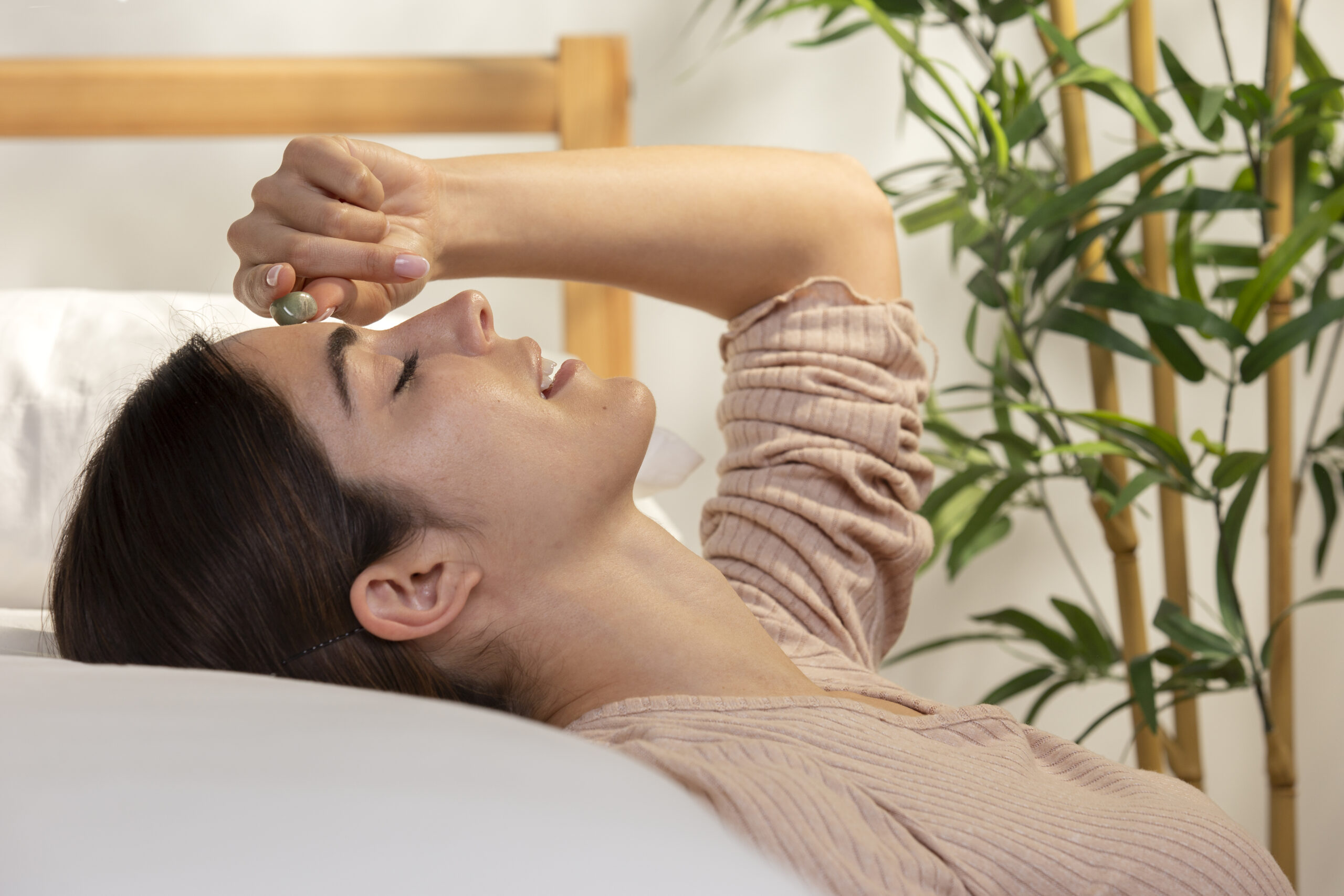
Migraines are not just ordinary headaches. They are intense, often debilitating episodes that can severely affect daily life, productivity, and overall well-being. If you are looking for migraine treatment in Ayurveda, you are seeking a natural, holistic approach that addresses the underlying causes rather than merely masking symptoms. Ayurveda offers centuries-old therapies, dietary guidance, lifestyle recommendations, and herbal remedies designed to restore balance in the body, reduce inflammation, and support nervous system health.
Ayurveda explains that migraines usually arise due to imbalances in the Vata and Pitta doshas, which affect nerve function, blood flow, and sensory channels. By identifying your dosha type and following personalized therapies, such as Nasya therapy, Shirodhara, detoxifying protocols, and home remedies, you can reduce the frequency, severity, and duration of migraine attacks. In this article, we explore comprehensive migraine treatment in Ayurveda, combining ancient wisdom with practical lifestyle strategies to provide lasting relief and improve your overall quality of life.
Understanding Migraine Through Ayurveda
In Ayurveda, migraines are considered a manifestation of dosha imbalance, primarily involving Vata and Pitta doshas.
Vata-related migraines often involve throbbing, irregular headaches, dizziness, fatigue, and sensitivity to light or sound. These migraines are frequently triggered by stress, anxiety, and irregular lifestyle patterns.
Pitta-related migraines are usually characterized by intense burning sensations in the head, heightened irritability, excessive heat, and sensitivity to light. These headaches often result from excessive consumption of spicy or oily foods, overstimulation, or overexertion.
Ayurvedic understanding of migraines emphasizes correcting these imbalances through diet, lifestyle, herbal remedies, and therapeutic procedures. Unlike conventional medicine, which primarily focuses on temporary symptom relief, migraine treatment in Ayurveda targets the root causes to prevent recurrence and promote overall well-being.
Common Migraine Triggers According to Ayurveda
Ayurveda identifies several internal and external triggers that can provoke migraines or worsen their intensity. Recognizing these triggers is essential for effective migraine treatment in Ayurveda:
- Diet: Excessive spicy, oily, processed, or fast foods can disturb Pitta dosha and increase migraine risk.
- Stress and Emotional Strain: Mental and emotional stress elevate Vata dosha, often triggering sudden and severe headaches.
- Sleep Irregularities: Both oversleeping and insufficient sleep can create Vata imbalance, leading to migraine attacks.
- Environmental Factors: Bright lights, loud noises, strong odors, and excessive heat can aggravate migraines.
- Digestive Health: Weak digestive fire (Agni) and accumulation of toxins (Ama) disrupt nervous system function and can provoke headaches.
Understanding your personal triggers and adjusting your diet, environment, and routine is a crucial first step in migraine treatment in Ayurveda.
Ayurvedic Principles for Migraine Treatment
Balancing the Doshas
The foundation of migraine treatment in Ayurveda lies in understanding and balancing your dosha constitution. Every individual has a unique combination of Vata, Pitta, and Kapha doshas. Migraines occur when Vata or Pitta becomes imbalanced. Ayurvedic practitioners assess your dosha through detailed evaluations, including lifestyle habits, physical characteristics, and emotional patterns.
Balancing the doshas involves:
- Adjusting your diet according to your primary dosha type
- Incorporating herbal remedies that specifically target Vata or Pitta
- Following lifestyle routines that support equilibrium, calm the nervous system, and strengthen digestion
Personalized approaches ensure that treatment not only alleviates symptoms but also addresses the root cause of migraine recurrence.
Role of Agni (Digestive Fire) and Ama (Toxins)
A central principle of migraine treatment in Ayurveda is maintaining strong digestive fire, or Agni. Proper digestion prevents the formation of Ama, the metabolic toxins that can accumulate in the body and interfere with the nervous system. Ama is considered a significant contributor to migraine onset in Ayurveda.
Ayurvedic protocols focus on:
- Enhancing digestion with herbal teas, spices, and digestive-friendly foods
- Detoxifying the body through cleansing therapies like Panchakarma
- Supporting liver and kidney function to ensure efficient removal of toxins
- Promoting calmness in the nervous system to prevent stress-induced headaches
By addressing digestive and metabolic health, Ayurveda tackles the underlying triggers of migraines rather than just masking the pain.
Core Ayurvedic Therapies for Migraine
Nasya Therapy
Nasya involves the administration of medicated oils through the nasal passages. This therapy directly targets the head, sinuses, and sensory channels. Nasya can:
- Reduce the frequency and intensity of migraines
- Improve mental clarity and calmness
- Alleviate sinus congestion and pressure
Common oils used in Nasya therapy include Anu Taila and Shadbindu Taila. Regular Nasya treatments under professional guidance are a cornerstone of migraine treatment in Ayurveda for both preventive and therapeutic purposes.
Shirodhara
Shirodhara is a deeply calming Ayurvedic therapy in which warm herbal oil is gently poured over the forehead. Shirodhara has a profound effect on the nervous system and helps:
- Reduce stress, anxiety, and mental tension
- Balance Vata and Pitta doshas
- Improve sleep quality and reduce insomnia
- Relieve the throbbing and burning sensations associated with migraines
Recommended oils for Shirodhara include Brahmi oil and Sahacharadi Taila, with treatments typically conducted two to three times per week.
Panchakarma Cleanse
Panchakarma is a comprehensive detoxification therapy in Ayurveda that helps remove toxins, reset the doshas, and promote overall health.
Key therapies include:
- Virechana (therapeutic purgation) to eliminate excess Pitta
- Basti (medicated enemas) for balancing Vata
- Abhyanga (oil massage) for grounding and relaxation
Panchakarma is highly effective for chronic migraines as it targets root causes, improves digestion, and supports nervous system balance.
Shirolepa and External Therapies
Shirolepa involves applying herbal pastes on the forehead, temples, and scalp to reduce inflammation and soothe pain. Herbal ingredients commonly used include:
- Brahmi for calming the mind
- Sandalwood for cooling and anti-inflammatory effects
- Turmeric for detoxification and headache relief
These external therapies complement internal treatments and enhance the overall effectiveness of migraine treatment in Ayurveda.
Ayurvedic Home Remedies for Migraine
Herbal Teas and Decoctions
Consuming specific herbal teas is a safe and effective part of migraine treatment in Ayurveda:
- Turmeric tea for its anti-inflammatory properties
- Ginger tea to support digestion and reduce nausea
- Coriander seed decoction for cooling and Pitta pacification
Dietary Recommendations
Diet plays a crucial role in balancing doshas and preventing migraines:
- Include soothing foods such as rice, ghee, milk, and cooked vegetables. It is also important to maintain metabolic balance; for instance, checking an indian diabetic diet chart can help ensure you are choosing the best food for diabetes control alongside your migraine-friendly choices.
- Grounding foods like sweet potatoes and root vegetables for Vata balance
- Avoid excessive spicy, fried, processed, and oily foods that aggravate Pitta
Lifestyle Practices
Daily habits significantly impact migraine frequency and severity:
- Maintain a consistent routine, including sleep, meals, and exercise (Dinacharya)
- Engage in gentle exercises such as yoga, walking, and stretching
- Practice stress-reduction techniques such as meditation, deep breathing, and mindfulness
Ayurvedic Diet and Lifestyle for Migraine Prevention
Foods to Include
- Fresh vegetables and fruits to reduce inflammation
- Whole grains like rice, barley, and oats
- Anti-inflammatory spices such as turmeric, fennel, and coriander
- Nuts and seeds for Vata balance. For those managing blood sugar, knowing if is beetroot good for diabetes or using the 5 best fruits for diabetics can provide nutrient-dense, safe options.
Foods to Avoid
- Caffeine, alcohol, and processed foods. Be cautious with sweets; if you are looking for alternatives, you might wonder is jaggery good for diabetes or if is banana good for diabetes.
- Excess spicy or fried foods that aggravate Pitta
- Overly sour, salty, or fermented items. Coconut water for diabetic patient needs is a great way to stay hydrated naturally.
Daily Routine (Dinacharya)
- Morning: Warm water, gentle stretching, oil massage
- Midday: Balanced meals, hydration, and light physical activity
- Evening: Herbal teas, meditation, relaxation, and reduced screen exposure
When to Seek Professional Ayurvedic Care
Even with home remedies, professional care is necessary when:
- Migraines are frequent or intensifying
- Over-the-counter remedies fail to provide relief
- There are neurological symptoms such as blurred vision or numbness
A qualified Ayurvedic practitioner will provide personalized guidance, combining therapies, dietary plans, herbal medicines, and lifestyle adjustments to ensure effective migraine treatment in Ayurveda.
Conclusion
Migraine treatment in Ayurveda offers a holistic, natural, and long-term approach to managing headaches. By addressing dosha imbalances, supporting digestion, reducing toxins, and incorporating therapeutic treatments, diet, and lifestyle practices, Ayurveda provides a comprehensive framework for migraine relief and prevention. Unlike conventional approaches, it focuses on root causes and empowers individuals to regain control over their health naturally.
Get Personalized Guidance from Smriti Kochar
If you are struggling with persistent migraines and want a natural, root-cause approach, consider personalized support from Smriti Kochar, India’s leading Functional Nutritionist and Functional Medicine Coach.
Smriti works globally to address chronic symptoms through food-as-medicine protocols, lifestyle optimization, and Ayurvedic-inspired strategies.
Book a consultation with Smriti today to receive expert guidance on your migraine triggers, a personalized nutrition plan, and a holistic treatment program tailored specifically for you.
Frequently Asked Questions
Nasya therapy, Shirodhara, and herbal teas are commonly used. The best remedy depends on your dosha and the underlying cause of migraines.
Some individuals notice improvement within a few weeks, while chronic migraine sufferers may require several months of consistent therapy and lifestyle adjustments.
Yes, but it is essential to consult a qualified healthcare professional to avoid interactions and ensure safe integration.
Vata and Pitta doshas are primarily linked to migraine patterns. Vata migraines are throbbing and irregular, while Pitta migraines involve burning pain and heat sensitivity.
Home remedies can reduce frequency and severity but may not be sufficient for severe cases. Professional guidance ensures comprehensive relief.
Spicy, fried, processed foods, caffeine, and alcohol are common migraine triggers. Foods that aggravate your specific dosha should also be avoided.
Yes, stress management techniques like meditation, breathing exercises, and yoga help balance doshas, calm the nervous system, and reduce migraine recurrence.
Most therapies are safe, but detoxification procedures like Panchakarma should be performed under professional supervision, especially for individuals with chronic health conditions.

