

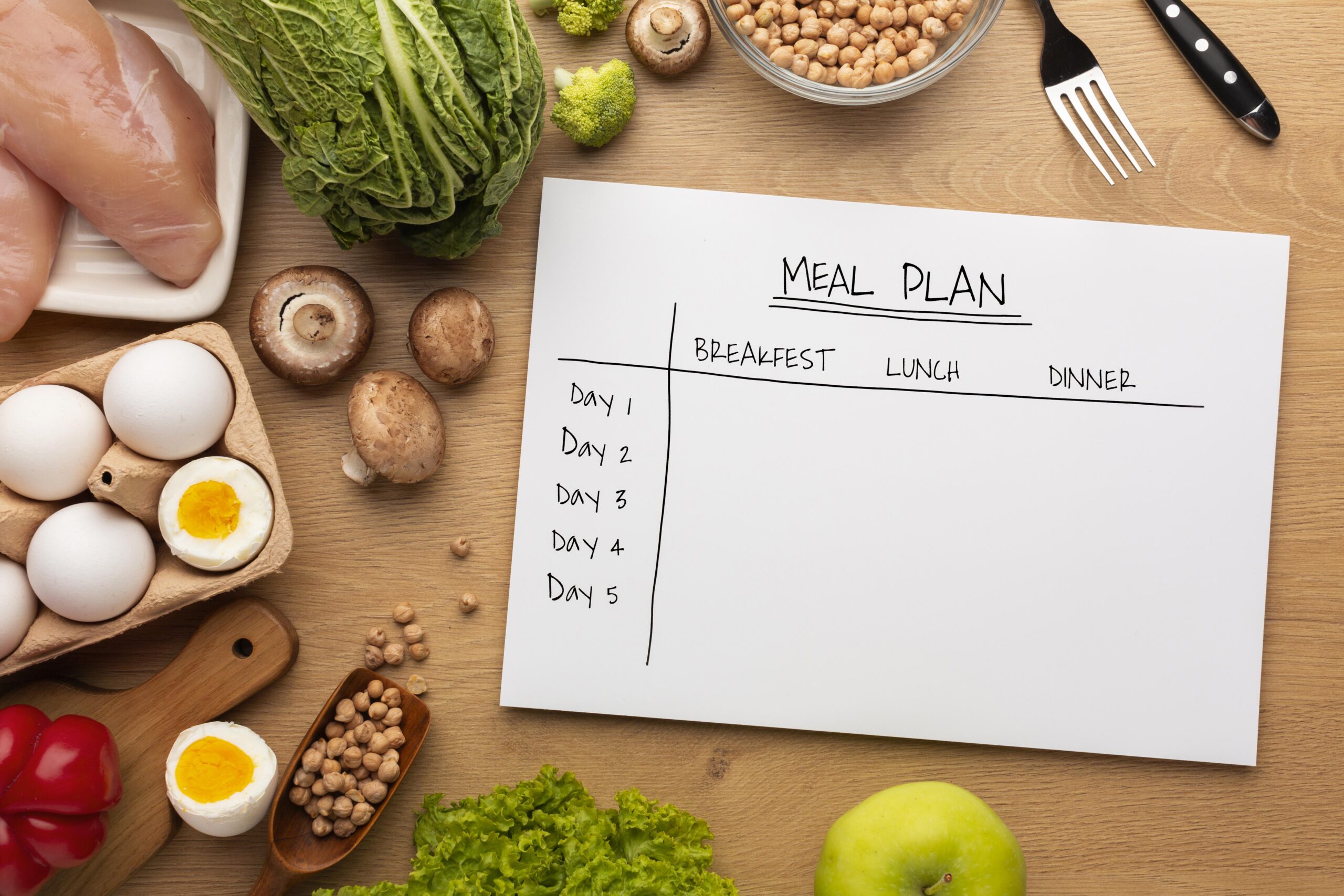
Managing diabetes requires a strategic approach to meals rather than simply avoiding sugar. A well-planned Indian diabetic diet chart can help regulate blood sugar levels, improve overall health, and provide energy throughout the day.
With diabetes increasing rapidly in India, it is essential to adopt a diet plan that is practical, culturally relevant, and evidence-based. This Indian diabetic diet chart is designed to guide both newly diagnosed individuals and those managing diabetes long-term. It focuses on balanced meals, portion control, healthy snacking, and appropriate timing to ensure stable blood sugar levels.
By following a structured Indian diabetic diet chart, you can enjoy traditional Indian foods without compromising your health. This guide will cover essential nutrition principles, recommended foods, a sample 7-day meal plan, lifestyle tips, and answers to frequently asked questions.
What Is Diabetes and Why Diet Matters
Diabetes is a chronic condition where the body either does not produce enough insulin or is unable to use it effectively. Insulin helps regulate blood sugar levels by allowing glucose to enter cells for energy. When this process is disrupted, sugar accumulates in the blood, leading to long-term complications such as heart disease, kidney issues, vision problems, and nerve damage.
A carefully designed Indian diabetic diet chart is critical for managing these risks. Food directly affects blood sugar levels, and choosing the right types of carbohydrates, proteins, and fats is crucial.
Key nutrition principles for a diabetic-friendly diet include:
- Understanding the Glycemic Index (GI) and choosing low GI foods like millets, oats, and whole grains.
- Including complex carbohydrates to avoid rapid sugar spikes.
- Consuming sufficient fiber from vegetables, fruits, and dals to improve digestion and maintain steady blood sugar.
- Incorporating lean protein and healthy fats to enhance satiety and reduce sugar cravings.
Many myths exist around diabetic diets. Contrary to popular belief, diabetics do not need to completely avoid rice, wheat, or fruits. A practical Indian diabetic diet chart emphasizes moderation, timing, and balanced combinations rather than total restriction.
Core Principles of an Indian Diabetic Diet
A successful Indian diabetic diet chart focuses on balance, nutrition quality, and portion control. Here are the core principles to follow:
Balance Your Plate — Carbs, Protein, and Fats
Maintaining the right balance of carbohydrates, proteins, and fats is essential for managing blood sugar. Use this visual approach:
- Half your plate with non-starchy vegetables such as spinach, bottle gourd, cabbage, or capsicum
- One-quarter of your plate with whole grains, complex carbs, or millets
- One-quarter of your plate with lean protein sources like dals, paneer, eggs, or fish
- Include small amounts of healthy fats from nuts, seeds, or cold-pressed oils
Example Indian meals:
- Breakfast: Vegetable upma with a cup of low-fat yogurt
- Lunch: Two rotis, moong dal, sautéed vegetables
- Dinner: Grilled tandoori chicken with salad and half a cup of brown rice
A balanced Indian diabetic diet chart helps maintain consistent energy levels, prevents overeating, and stabilizes blood sugar throughout the day.
Understanding the Glycemic Index
The Glycemic Index (GI) measures how quickly a carbohydrate-containing food raises blood sugar. For diabetics, low GI foods are ideal, and incorporating them into an Indian diabetic diet chart is essential.
- Low GI foods: Millets such as ragi, jowar, and bajra, oats, barley
- Medium GI foods: Whole wheat chapati, brown rice in moderation
- High GI foods: White rice, refined flour products, sugary snacks (limit or avoid)
Focusing on low GI foods allows for slower sugar release, which is a cornerstone of a well-designed Indian diabetic diet chart.
Importance of Fiber and Whole Grains
Fiber plays a vital role in controlling blood sugar. Including high-fiber foods in your Indian diabetic diet chart improves digestion, enhances satiety, and reduces post-meal sugar spikes.
Key fiber sources for diabetics include:
- Dals such as moong, masoor, and chana
- Non-starchy vegetables like spinach, carrots, bottle gourd, and cucumber
- Fruits like guava, apple, papaya, and berries in moderation
- Whole grains and millets including brown rice, ragi, jowar, and bajra
Adding fiber-rich foods to your Indian diabetic diet chart ensures better blood sugar management and overall digestive health.
Hydration and Healthy Fluids
Hydration is often overlooked in diabetes management. A proper Indian diabetic diet chart emphasizes the importance of water and healthy beverages:
- Drink 6 to 8 glasses of water daily
- Include herbal teas such as green tea, tulsi, or chamomile
- Limit sugar-sweetened drinks, packaged juices, and soft drinks
Proper hydration improves digestion, supports kidney health, and aids in regulating blood sugar levels.
Foods to Include and Foods to Avoid
A practical Indian diabetic diet chart clearly distinguishes foods that support healthy blood sugar from those that should be limited.
Foods to Include
- Whole grains and millets: Brown rice, oats, ragi, jowar, bajra
- Lean proteins: Moong dal, chana, paneer, eggs, fish, low-fat yogurt
- Vegetables and salads: Spinach, capsicum, bottle gourd, carrots, cucumber
- Fruits in moderation: Guava, apple, papaya, berries
- Healthy fats: Nuts, seeds, cold-pressed oils like mustard, sesame, or olive
Foods to Avoid
- Sugary snacks and drinks: Soft drinks, sweets, chocolates
- Refined flour products: White bread, naan, maida-based snacks
- Deep-fried Indian snacks: Samosa, pakoras, bhujia
- Excess desserts: Gulab jamun, jalebi, milk-based sweets
Incorporating only the recommended foods into an Indian diabetic diet chart ensures stable blood sugar while keeping meals enjoyable.
Sample 7-Day Indian Diabetic Diet Chart
Here’s a practical 7-day Indian diabetic diet chart for blood sugar control. Portions are suggested for an average adult.
Day | Breakfast | Mid-Morning | Lunch | Evening Snack | Dinner |
Day 1 | Vegetable upma + green tea | Apple + 5 almonds | 2 rotis + dal + spinach sabzi | Buttermilk + roasted chana | Grilled fish + salad + ½ cup brown rice |
Day 2 | Moong dal chilla + mint chutney | Papaya slices | 2 bajra rotis + lauki sabzi + curd | Green tea + 5 walnuts | Tandoori chicken + sautéed vegetables |
Day 3 | Oats porridge + skim milk | Guava | 2 jowar rotis + mixed dal + cucumber salad | Herbal tea + roasted seeds | Palak paneer + 2 rotis |
Day 4 | Ragi idli + coconut chutney | Orange slices | 2 chapati + chana dal + capsicum sabzi | Buttermilk + cucumber sticks | Grilled fish + sautéed broccoli + ½ cup quinoa |
Day 5 | Vegetable poha + green tea | 5 almonds | 2 rotis + rajma + salad | Herbal tea + roasted chana | Egg curry + 2 rotis + stir-fry vegetables |
Day 6 | Besan cheela + mint chutney | Apple slices | 2 bajra rotis + moong dal + bottle gourd sabzi | Green tea + 5 walnuts | Tandoori chicken + sautéed vegetables |
Day 7 | Oats dosa + coconut chutney | Papaya | 2 jowar rotis + masoor dal + salad | Herbal tea + roasted seeds | Paneer tikka + 2 rotis + stir-fry vegetables |
This 7-day Indian diabetic diet chart is flexible and can be adjusted for vegetarians, non-vegetarians, and different portion needs.
Meal Timing and Portion Control Tips
- Maintain 3–4 hours between meals
- Include mid-morning and evening snacks to avoid sugar spikes
- Portion guidance: Fist equals carbohydrate portion, palm equals protein, thumb equals healthy fat
- Consistency in timing combined with a structured Indian diabetic diet chart enhances blood sugar control
Lifestyle Add-Ons That Improve Diabetes Control
- Light physical activity such as a 10–15 minute walk after meals
- Maintain 7–8 hours of quality sleep and manage stress through meditation or yoga
- Regular blood sugar monitoring to adjust diet and lifestyle as needed
- Combining these habits with an Indian diabetic diet chart improves outcomes significantly
How to Personalize Your Indian Diabetic Diet Chart
- Vegetarians can replace eggs or fish with paneer, dals, or soy
- Portion sizes can be adjusted for weight loss or maintenance goals
- During festivals or fasting days, choose low GI substitutes and control sweets
- A personalized Indian diabetic diet chart ensures both effectiveness and sustainability
Conclusion
A structured Indian diabetic diet chart allows you to enjoy traditional meals while managing blood sugar effectively. By combining balanced meals, portion control, low GI foods, and healthy lifestyle habits, you can reduce sugar fluctuations, improve energy, and support long-term health. Consistent, small changes in diet and lifestyle make a significant impact on diabetes management.
Ready to tailor your Indian diabetic diet chart to your unique needs? Work with Smriti Kochar, India’s top Functional Nutritionist and Gut Health Coach, to create a personalized, diabetes-friendly nutrition plan based on your labs, metabolism, and goals.
Read Our Latest Blogs
inspirational quotes for depression | can depression be cured | mixed anxiety depression | anxiety care plan | anxiety and shortness of breath | can anxiety cause chest pain | foods that reduce anxiety | diabetic diet chart | diabetic food chart | is papaya good for diabetes | horlicks for diabetics | is beetroot good for diabetes | 5 best fruits for diabetics | best food for diabetes control
Frequently Asked Questions
Vegetable upma, oats porridge, ragi idli, besan cheela, moong dal chilla, or low-fat yogurt-based smoothies are ideal choices.
Yes, but in moderation. Choose low-GI fruits such as guava, apple, papaya, and berries. Avoid excessive consumption of high-sugar fruits like mango and banana.
Use your fist for carbohydrates, palm for protein, and thumb for healthy fats. Include dals, paneer, tofu, sprouts, and nuts to meet protein needs.
No. Use brown rice, ragi, or jowar in moderation and pair them with dal or vegetables to prevent blood sugar spikes.
Yes, small portions of sweets made with natural sweeteners are acceptable. Balance them with a low GI meal and proper portion control.
Daily adherence is recommended, but flexibility for social occasions or travel is acceptable. Consistency is more important than perfection.
Yes. A structured Indian diabetic diet chart with portion control, low GI foods, and balanced nutrition supports weight loss while managing blood sugar.
Exercise is highly beneficial. Even light activity, such as walking after meals, enhances blood sugar control and overall health.

