

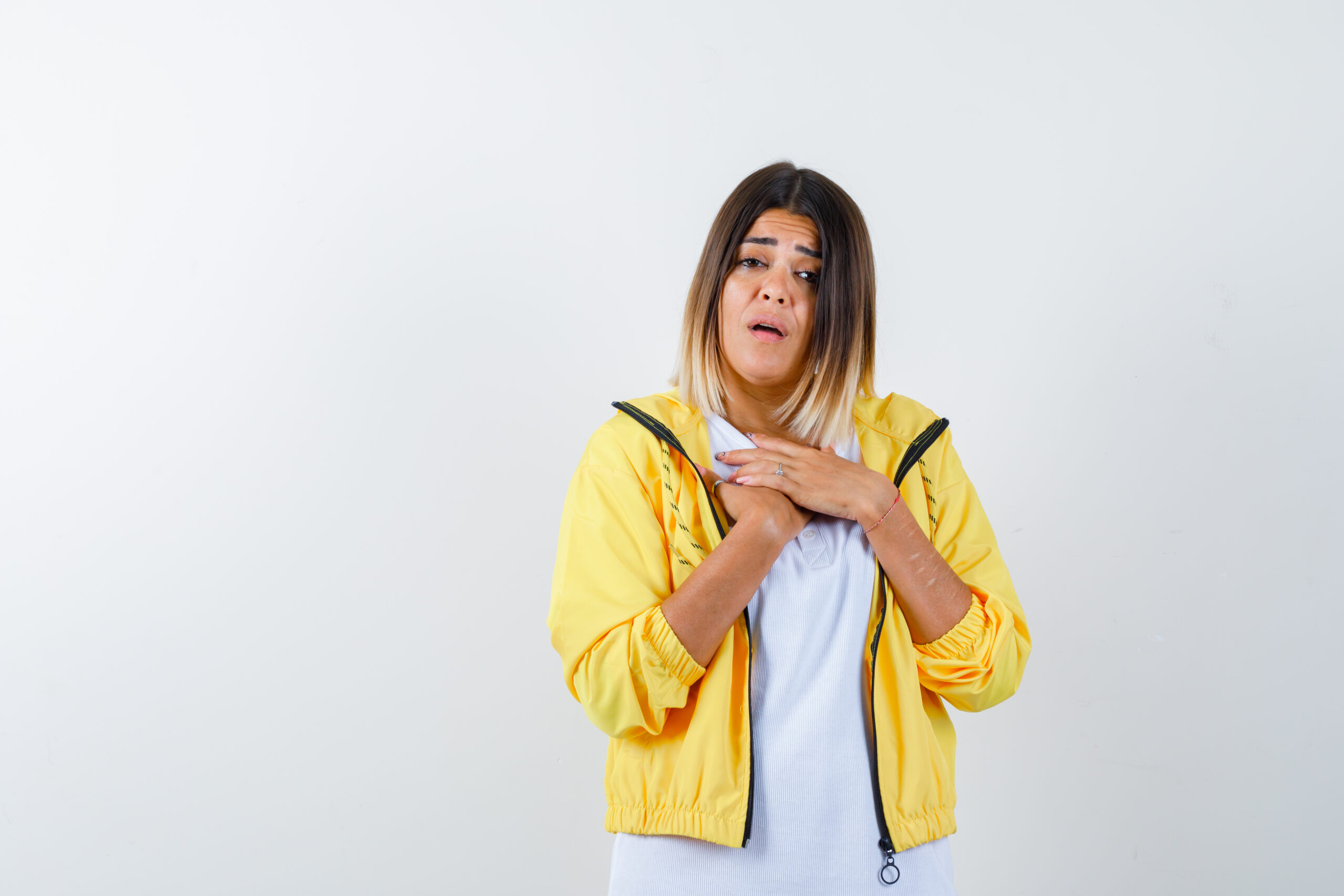
If you ever find yourself gasping for air, feeling your chest tighten, or noticing a rapid heartbeat, you may be experiencing anxiety and shortness of breath. This common yet often alarming symptom can make you worry about your health, leaving you feeling trapped and uncertain. The good news is that, in most cases, this breathlessness is your body’s natural response to stress and anxiety rather than a sign of a serious medical condition.
In the first moments of anxiety-induced breathlessness, it can be hard to distinguish between a medical emergency and a temporary reaction. By understanding how anxiety and shortness of breath are connected, recognizing the warning signs, and practicing effective breathing and grounding techniques, you can regain control and find relief. This article will provide a comprehensive guide to understanding, managing, and preventing anxiety-related shortness of breath, helping you breathe easier and feel calmer.
Understanding the Link Between Anxiety and Shortness of Breath
Anxiety and shortness of breath are closely linked due to the body’s natural stress response. When you feel anxious, your brain perceives a potential threat and activates the fight-or-flight response. This triggers the release of stress hormones such as adrenaline and cortisol, which prepare your body to respond quickly to danger. While this response can be lifesaving in real threats, it often causes unnecessary physical symptoms in modern life, including rapid or shallow breathing.
Common physical effects of anxiety and shortness of breath include:
- Rapid, shallow breaths caused by hyperventilation
- Tightness in the chest and diaphragm due to muscle tension
- Increased heart rate making breathing feel labored
- Dizziness or lightheadedness due to excessive oxygen exchange
Understanding these mechanisms helps you recognize that anxiety and shortness of breath is not harmful in itself. It is a signal from your body that stress levels are high, and you need to pause, breathe, and ground yourself. This awareness is the first step toward calming your body and preventing recurring episodes.
Common Signs Your Shortness of Breath May Be Anxiety-Related
Identifying the signs of anxiety and shortness of breath can help differentiate it from other medical issues. The following indicators often suggest anxiety is the primary cause:
- Sudden onset of breathlessness following stressful events or anxious thoughts
- Rapid, shallow breathing or hyperventilation without physical exertion
- Sensation of suffocation even when oxygen levels are normal
- Relief after engaging in relaxation techniques, grounding, or mindful breathing
- Accompanying symptoms such as chest tightness, palpitations, dizziness, tingling in hands and feet, or sweating
By paying attention to these signs, you can recognize when anxiety is affecting your breathing. This understanding allows you to respond with strategies that restore calm and reduce the intensity of breathlessness.
When It Might Be More Than Anxiety
While anxiety and shortness of breath are often linked, there are situations where medical conditions could be the cause. It is crucial to know the warning signs that require professional attention:
- Persistent shortness of breath that does not improve with relaxation
- Chest pain, pressure, or a feeling of heaviness in the chest
- Blue lips or fingertips, fainting, or extreme dizziness
- Breathlessness that worsens over time or occurs during minimal physical activity
If you notice any of these symptoms, consult both a healthcare provider and a mental health professional. This ensures that you address both physical and emotional factors safely and effectively. Seeking professional evaluation can prevent unnecessary anxiety while confirming whether the breathlessness is truly related to stress.
Practical Ways to Ease Anxiety-Driven Shortness of Breath
There are numerous techniques and lifestyle adjustments that can help manage anxiety and shortness of breath. These strategies focus on calming your nervous system and restoring natural breathing patterns.
Deep Breathing Techniques
- Box breathing: Inhale for four counts, hold for four, exhale for four, and hold for four. Repeat several times to restore calm.
- Belly breathing: Place a hand on your stomach, inhale deeply through your nose, and exhale slowly through your mouth. Focus on expanding the abdomen rather than the chest.
Grounding Exercises
- 5-4-3-2-1 method: Identify five things you can see, four things you can touch, three things you can hear, two things you can smell, and one thing you can taste. This exercise brings attention to the present moment and reduces panic.
- Progressive muscle relaxation: Gradually tense and release different muscle groups to reduce tension in the chest and diaphragm.
Gentle Movement
- Light walking, yoga, stretching, or tai chi can help relieve physical tension and regulate breathing. Movement also releases endorphins, reducing anxiety levels naturally.
Lifestyle Adjustments
- Maintain a consistent sleep routine to prevent fatigue-related anxiety
- Limit caffeine and alcohol, which can exacerbate anxiety symptoms
- Journal your thoughts and feelings to process stress rather than letting it build
Regular practice of these techniques can significantly reduce the frequency and intensity of anxiety and shortness of breath episodes.
Long-Term Management: Healing the Mind-Body Connection
For lasting relief from anxiety and shortness of breath, it is essential to address both the mind and body. Long-term strategies include:
- Therapy: Cognitive-behavioral therapy and mindfulness-based approaches help reframe anxious thoughts and reduce physical symptoms.
- Consistent exercise: Cardiovascular activities, yoga, and strength training support overall respiratory health and reduce stress.
- Balanced nutrition: Eating whole foods, staying hydrated, and avoiding excess sugar or processed foods can stabilize mood and energy levels.
- Emotional regulation: Meditation, journaling, and self-compassion practices help you manage stress and prevent recurring breathlessness.
By adopting these strategies, you build resilience to stress and reduce the likelihood of anxiety-triggered shortness of breath.
The Emotional Side: Why Anxiety Isn’t the Enemy
It is important to remember that anxiety itself is not the enemy. Anxiety and shortness of breath are signals from your body that stress levels are high and that it’s time to pause. Reframing anxiety as a messenger rather than a flaw can transform your experience:
- Observe your feelings without judgment instead of resisting them
- Use mindful breathing and grounding techniques to calm the nervous system
- Practice self-compassion and patience with yourself during anxious episodes
By changing your relationship with anxiety, you can reduce its impact on your breathing and emotional well-being.
When to Seek Professional Help
While self-help strategies are effective for many, professional guidance is crucial when anxiety begins to interfere with daily life. Seek support if:
- Anxiety consistently triggers shortness of breath
- Panic attacks or intense episodes prevent normal functioning
- You need personalized strategies to manage chronic stress
- Physical symptoms persist despite using self-care techniques
Therapists, counselors, and medical professionals can provide comprehensive support, combining emotional guidance with physical assessments to ensure your well-being.
If anxiety and shortness of breath are affecting your quality of life, it’s time to seek guidance. Smriti Kochar specializes in helping individuals reconnect with calm, clarity, and confidence through integrative coaching and mindfulness-based therapy. Book a clarity call with Smriti and begin your journey toward effortless breathing and emotional balance today.
Read Our Latest Blogs
inspirational quotes for depression | can depression be cured | mixed anxiety depression | anxiety care plan | can anxiety cause chest pain | foods that reduce anxiety | diabetic diet chart | diabetic food chart | is papaya good for diabetes | horlicks for diabetics | is beetroot good for diabetes | 5 best fruits for diabetics | best food for diabetes control | is banana good for diabetes
Frequently Asked Questions
Ans: Yes, anxiety can trigger rapid, shallow breathing and chest tightness even without any physical exertion. These sensations are part of the body’s stress response and are generally harmless when recognized and managed.
Ans: Anxiety-related shortness of breath typically comes on suddenly after stress or worry and improves with relaxation. Persistent or worsening breathlessness, chest pain, or blue lips and fingertips require immediate medical evaluation.
Ans: Box breathing, belly breathing, and progressive muscle relaxation are highly effective. These techniques restore calm, reduce hyperventilation, and improve oxygen flow.
Ans: Yes. Adequate sleep, regular exercise, reduced caffeine, balanced nutrition, and journaling all help regulate stress levels and reduce episodes of anxiety-related shortness of breath.
Ans: Mindfulness practices train you to observe physical sensations without judgment, allowing you to remain calm during episodes. This reduces panic, hyperventilation, and the intensity of shortness of breath.
Ans: Hyperventilation itself is not usually dangerous but can cause dizziness, tingling, and panic if not managed. Controlled breathing and relaxation techniques are effective remedies.
Ans: Yes. Cognitive-behavioral therapy and mindfulness training help reframe anxious thoughts, teach coping strategies, and reduce the likelihood of recurring breathlessness.
Ans: Consult a doctor if breathlessness is persistent, accompanied by chest pain, fainting, or blue lips and fingertips, or if you cannot manage symptoms with self-help strategies.

