

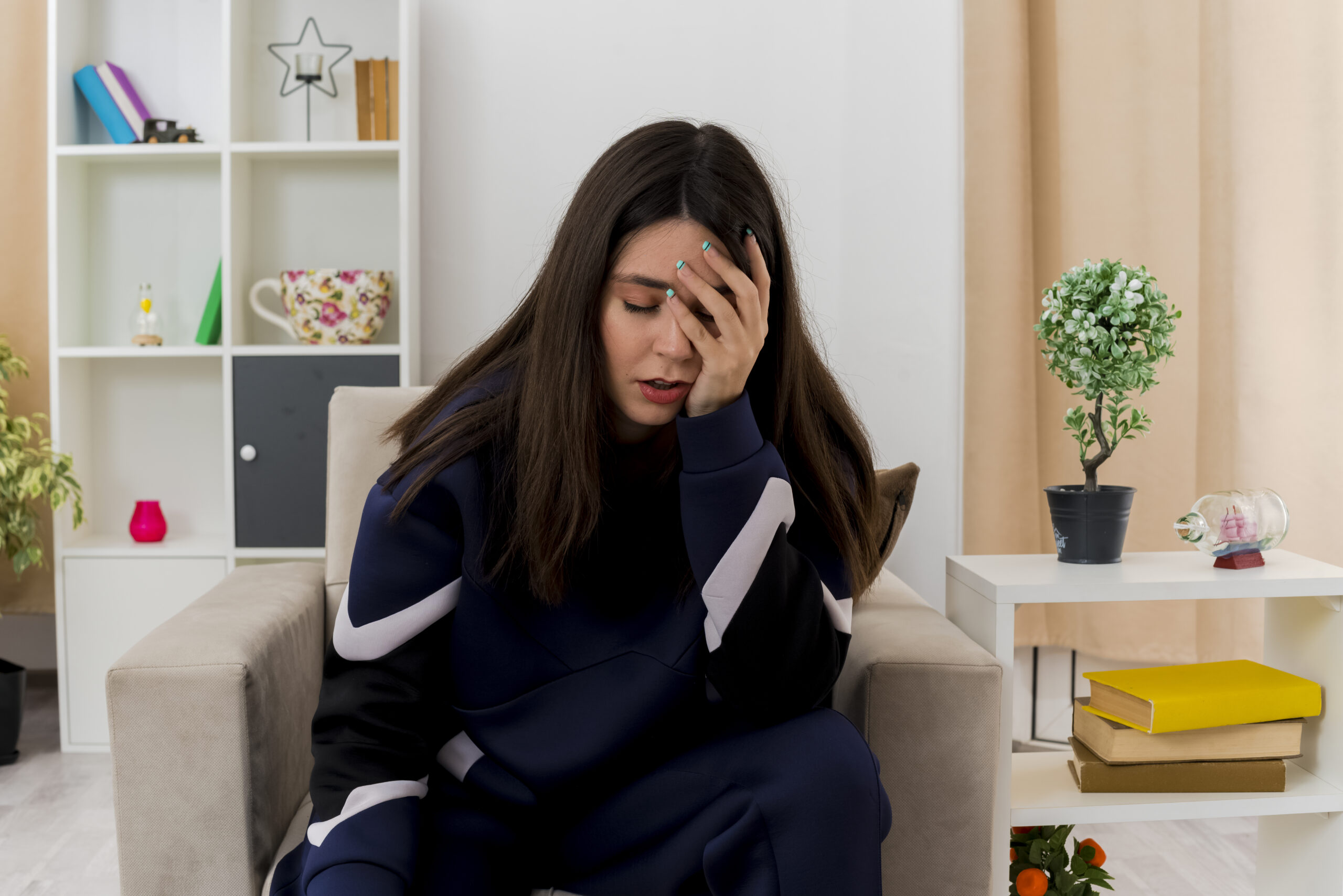
Depression in teenagers is often overlooked or mistaken for typical adolescent mood swings. Many parents assume that irritability, sadness, or lack of interest in activities is simply part of growing up. However, understanding the symptoms of depression in teens is critical because early recognition can dramatically improve outcomes. Teen depression is not only emotional; it can manifest physically, socially, and biochemically. It is often influenced by modern lifestyle factors such as excessive screen time, poor sleep, processed foods, and chronic stress.
By identifying these symptoms of depression in teens early, parents, caregivers, and teens themselves can take steps to support mental and physical well-being. A holistic approach that focuses on gut health, nutrition, sleep, and stress management can help teens recover naturally while preventing long-term effects. Recognizing and addressing depression as a multi-dimensional issue empowers teens to regain emotional balance and thrive.
What Is Teen Depression
Teen depression is a mental health condition that affects a young person’s thoughts, emotions, behavior, and even physical health. Unlike temporary sadness or irritability, depression is persistent and can interfere with a teen’s daily life, relationships, and academic performance. Understanding teen depression requires recognizing that it is not simply a psychological problem but a condition influenced by biology, lifestyle, and environmental factors.
Many teens experience modern stressors that make them more vulnerable to depression. Academic pressure, social media comparison, and exposure to processed foods can all contribute to mood imbalances. Hormonal changes during adolescence can amplify emotional sensitivity, and a disrupted gut microbiome or nutritional deficiencies can worsen feelings of hopelessness. By identifying the symptoms of depression in teens, caregivers can begin to address the underlying causes and support teens holistically rather than only treating the visible emotional signs.
Common Symptoms of Depression in Teens
Recognizing the symptoms of depression in teens early is crucial for timely intervention. These symptoms often appear in three primary categories: emotional, behavioral, and physical.
Emotional Symptoms
- Persistent sadness or hopelessness
- Irritability, frequent anger, or emotional outbursts
- Feelings of guilt, shame, or low self-worth
- Heightened anxiety or frequent worry
- Loss of motivation or inability to enjoy things that were once pleasurable
Behavioral Symptoms
- Withdrawal from friends, family, and social activities
- Loss of interest in hobbies, sports, or creative outlets
- Neglect of personal hygiene, school responsibilities, or daily tasks
- Increased risk-taking or self-isolation
- Difficulty concentrating or making decisions
Physical Symptoms
- Changes in appetite, either increased or decreased
- Altered sleep patterns, including insomnia or excessive sleeping
- Fatigue, low energy, or unexplained aches and pains
- Digestive issues, bloating, or discomfort related to gut imbalance
- Headaches or recurrent minor illnesses
The symptoms of depression in teens can be subtle or severe, often developing gradually. It is important to note that these signs may overlap with typical adolescent behavior, but when they persist for more than two weeks or interfere with daily functioning, they warrant closer attention and intervention. Understanding that the gut produces a majority of the body’s serotonin, the neurotransmitter responsible for mood regulation, highlights the role of gut health in managing depression naturally.
Root Causes Often Overlooked
Many parents focus only on emotional symptoms, but teen depression is often a reflection of underlying physiological and lifestyle factors. Common root causes include:
- Nutritional deficiencies such as Vitamin D, B12, magnesium, and omega-3 fatty acids
- Gut dysbiosis and inflammation that disrupt neurotransmitter production
- Hormonal fluctuations during puberty and adolescence
- Chronic stress from academic pressure, social media, and extracurricular demands
- Poor sleep hygiene and irregular sleep patterns
- Sedentary lifestyle and lack of regular sunlight exposure
Functional medicine emphasizes that depression is rarely solely a chemical imbalance in the brain. Instead, it often results from deficiencies or imbalances in the body’s nutrition, hormones, and gut health. By addressing these root causes, it is possible to reduce the symptoms of depression in teens naturally, without over-reliance on medication alone.
The Gut-Brain Connection in Teen Mental Health
One of the most overlooked contributors to teen depression is the gut-brain connection. The gut-brain axis refers to the bidirectional communication between the digestive system and the central nervous system. Research shows that gut microbes influence brain chemistry, stress response, and overall mood.
A healthy gut microbiome promotes serotonin production, which regulates mood and emotional stability. In contrast, inflammation, poor diet, or dysbiosis can lead to irritability, fatigue, low motivation, and other symptoms of depression in teens. Functional testing, such as GI-MAP, can identify gut infections, inflammation, and nutrient absorption issues, allowing targeted interventions to restore gut balance.
By addressing gut health through nutrition, probiotics, and lifestyle changes, teens can experience improved mood, increased energy, and enhanced resilience to stress. Supporting the gut is therefore a key step in managing depression holistically and sustainably.
Holistic Ways to Support a Teen Struggling with Depression
Supporting a teen with depression requires a multi-dimensional approach that addresses both mind and body.
Nourish Through Food
- Include probiotic-rich foods such as yogurt, kefir, and fermented vegetables
- Add anti-inflammatory foods including fresh fruits, vegetables, and omega-3 rich seeds
- Eliminate processed foods and reduce sugar intake
- Encourage balanced meals and hydration to stabilize energy and mood
Balance the Nervous System
- Incorporate mindfulness practices, journaling, or yoga to reduce stress
- Use deep breathing techniques to activate the vagus nerve and promote relaxation
- Encourage activities that strengthen the parasympathetic nervous system
Lifestyle Interventions
- Ensure daily exposure to natural sunlight to support vitamin D production
- Promote regular physical activity to enhance endorphin release
- Establish sleep hygiene routines and set limits on screen time
- Foster strong family connections and community support to provide emotional safety
Seek Guidance When Needed
- Take early warning signs seriously
- Combine counseling or therapy with nutritional and lifestyle interventions
- Adopt a holistic plan that targets both the symptoms of depression in teens and underlying causes
When to Seek Professional Help
Professional support is essential if the following signs persist:
- Symptoms last beyond two weeks without improvement
- Suicidal thoughts, self-harm, or drastic behavioral changes appear
- Academic performance or daily functioning significantly declines
Combining mental health care with functional nutrition, lifestyle adjustments, and gut restoration often results in the most effective long-term outcomes. Early intervention can prevent depression from becoming chronic and help teens regain emotional, mental, and physical balance.
How Smriti Kochar Can Help Your Teen Heal Naturally
Smriti Kochar’s holistic programs focus on addressing the root causes of teen depression. Services include:
- Personalized 1:1 UltraWellness Programs
- Functional testing for gut health, inflammation, and nutrient deficiencies
- Customized nutrition, supplements, and lifestyle strategies
- Support for emotional resilience, stress management, and natural mood regulation
This approach helps teens overcome the symptoms of depression in teens naturally, while building long-term physical and emotional well-being.
Read Our Latest Blogs
Functional Medicine Nutritionist | Low Stomach Acid Treatment Ayurvedic | How to Increase Stomach Acid Ayurveda | Constipation and Bloating | How to Get Rid of SIBO Naturally | Functional Medicine | What Is Functional Medicine | Depression Ke Lakshan | Depression and Anxiety | Depression Quotes in English | How to Deal With Depression | Stages of Depression
Frequently Asked Questions
Ans: Persistent sadness, irritability, social withdrawal, fatigue, changes in appetite or sleep, and difficulty concentrating are common.
Ans: Yes. Nutritional deficiencies and gut imbalance can directly affect neurotransmitter production and mood. A nutrient-rich, anti-inflammatory diet can reduce symptoms of depression in teens.
Ans: Normal mood swings are temporary and situational. Depression persists, affects daily functioning, and is often accompanied by physical and behavioral symptoms.
Ans: Regular physical activity supports endorphin release, improves sleep, stabilizes blood sugar, and strengthens gut health, which can alleviate depression naturally.
Ans: Sleep is critical. Poor sleep disrupts hormones, neurotransmitters, and emotional regulation, often worsening symptoms of depression in teens.
Ans: Yes. Mindfulness practices reduce stress, regulate the nervous system, and support emotional balance when integrated into daily routines.
Ans: Professional support should be sought if symptoms persist beyond two weeks, interfere with school or relationships, or include self-harm thoughts.
Ans: Yes. A balanced gut microbiome promotes serotonin production, reduces inflammation, and directly impacts mood, helping manage symptoms of depression in teens naturally.

